
Advanced trekking: what it is and how to choose the right footwear
Index
- What advanced trekking is
- What activities it is suitable for
- Differences between trekking, advanced trekking, and high-altitude mountaineering
- What features advanced trekking boots should have
- How to choose the right model
- Fit and size: just as important as the technical specifications
- Common mistakes when choosing footwear
- Care and maintenance
- The right balance for technical terrain
- Frequently asked questions
Advanced trekking: what it is and how to choose the right footwear
Advanced trekking sits between conventional trekking and technical high-altitude mountaineering. It is designed for long, demanding routes over varied alpine terrain, where a flexible boot may offer insufficient support, but a fully rigid boot would be unnecessary for much of the route.
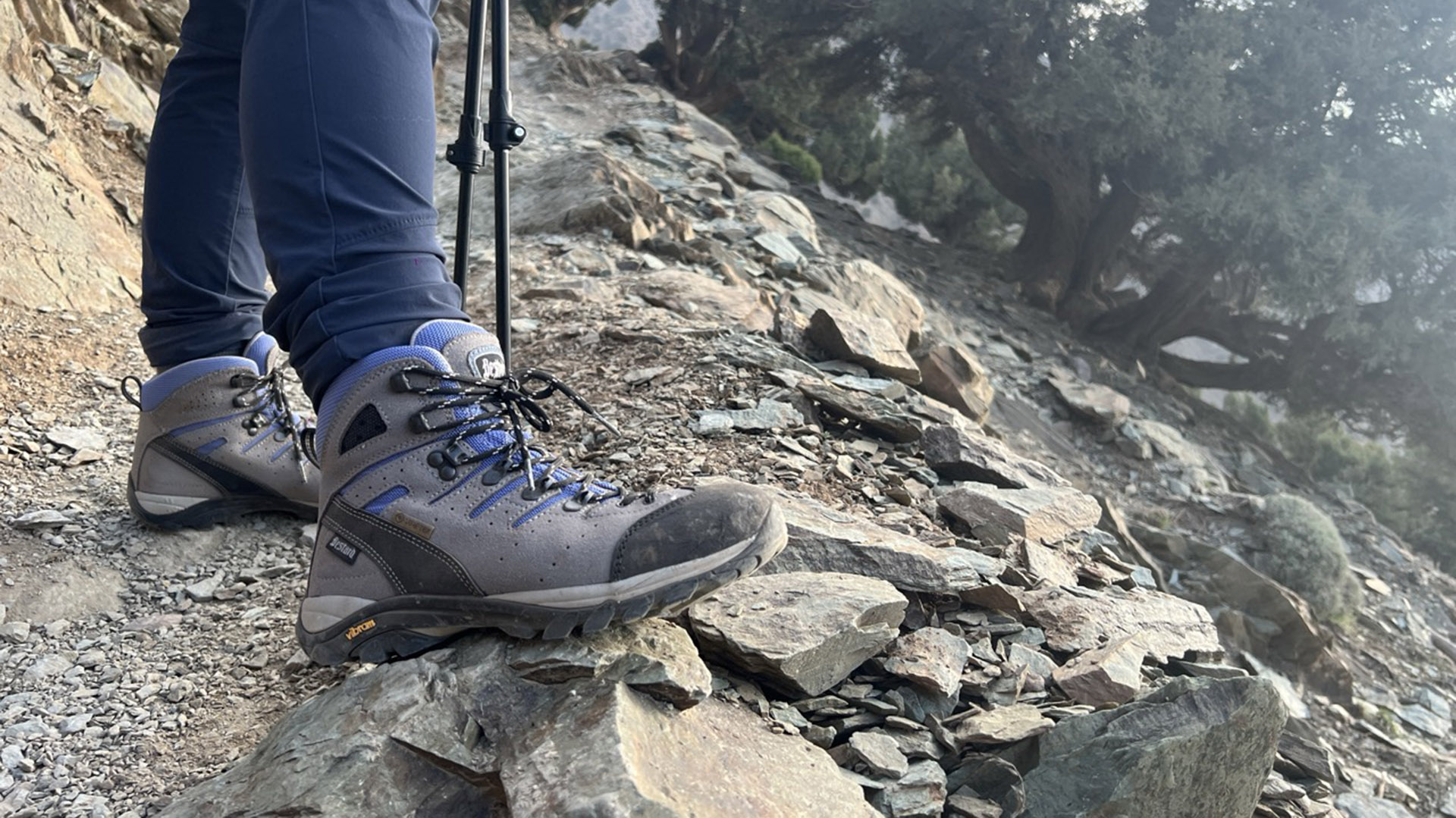
Boots in this category aim to combine protection, stability, and precision with greater versatility when walking. In Bestard’s Advanced Trekking family, this balance is achieved through configurations such as semi-rigid soles, relatively lightweight materials, and solutions designed to improve breathability and comfort during long days in the mountains.
The choice should not be based solely on the appearance of the boot or on one specific technology. Before comparing models, it is worth defining the activity, terrain, season, load, route duration, and the possible need to use crampons.
What advanced trekking is
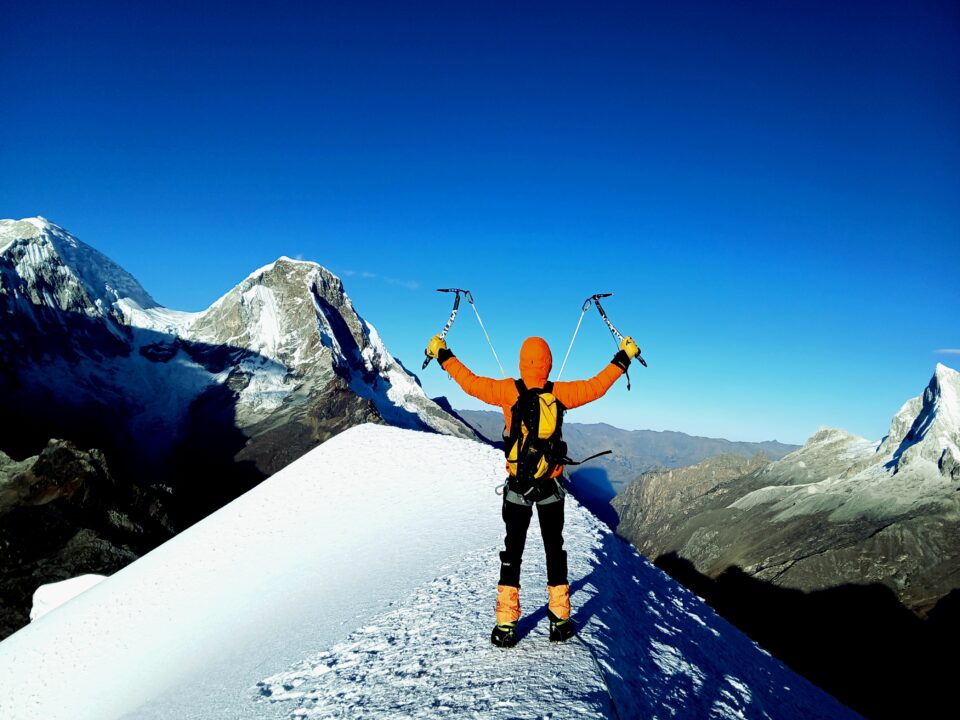
Advanced trekking includes mid- and high-mountain activities with a higher technical demand than a regular hiking route. It may involve rocky terrain, steep slopes, scree, snow, off-trail sections, or passages where greater precision and support are needed.
It does not necessarily involve technical climbing or extreme winter mountaineering. Its main feature is the combination of distance, elevation gain, uneven terrain, and changing conditions.
Within Bestard’s classification, Advanced Trekking boots share some support and protection features with high-altitude mountaineering boots, but use a more versatile configuration. The semi-rigid sole makes it possible to tackle demanding terrain while maintaining a walking dynamic that is more suitable for approaches and long traverses.
What activities it is suitable for
Advanced trekking can be a suitable choice for:
- Long alpine routes over varied and challenging terrain.
- Multi-day traverses with elevation gain and load.
- Via ferratas.
- Snowshoe ascents.
- Glacier traverses.
- Scrambling or moderate-difficulty climbing.
- Routes that alternate between trails, rock, snow, and broken terrain.
These activities do not always have the same requirements. A glacier traverse, for example, requires checking boot and crampon compatibility, as well as assessing ice conditions and the person’s experience. A via ferrata may require precision on rocky footholds, while a traverse with a backpack demands stability and a fit that remains comfortable for many hours.
Mountain activities involve risks. Footwear is part of the equipment, but it does not eliminate the dangers associated with terrain, weather, snow, ice, fatigue, or inadequate technique.
Differences between trekking, advanced trekking, and high-altitude mountaineering
Although some boots may look similar on the outside, their structure, rigidity, materials, and compatibilities respond to different uses.
| Family | Main use | Indicative rigidity | Compatibility indicated by Bestard |
|---|---|---|---|
| Trekking | Mid-mountain, trekking, and demanding routes in varied conditions | Varies depending on the model | Strap-on crampons |
| Advanced Trekking | Technical alpine trekking, via ferratas, snowshoeing, and glacier traverses | Semi-rigid | Strap-on and semi-automatic crampons |
| High-Altitude Mountaineering | Technical winter ascents, ice, and more demanding mountaineering | Fully rigid | Strap-on, semi-automatic, and automatic crampons |
The Trekking family offers robust and comfortable boots for mid-mountain use and, in certain cases, summer high-altitude mountaineering. The High-Altitude Mountaineering family, on the other hand, uses fully rigid soles and is aimed at technical ascents, ice, and more demanding winter conditions.
Choosing a stiffer boot than necessary does not mean choosing a better boot. Rigidity should respond to the activity and terrain. An overly technical configuration may feel less natural over kilometres of easy paths, while a boot that is too flexible may not provide adequate support on hard snow, rock, or complex terrain.
What features advanced trekking boots should have
Semi-rigid sole and midsole
Longitudinal and lateral rigidity influence how the footwear performs. A semi-rigid structure can provide a stable base on small footholds, rocky terrain, and slopes, without reaching the full rigidity typical of a high-altitude mountaineering boot.
Not all soles behave in the same way. The compound, lug design, support area, and midsole structure should be checked in the specific product sheet for each model.
Support and protection
On uneven terrain, the boot should help keep the foot secure and protect it from rubbing, impacts, and contact with rock or vegetation. The height of the upper, reinforcements, and robustness of the upper vary from one model to another.
Greater protection usually also involves changes in weight, flexibility, and breathability. That is why it is necessary to assess the boot as a whole and not choose a model based on a single feature.
Crampon compatibility
Bestard indicates that the models in its Advanced Trekking family are compatible with semi-automatic crampons. This system usually uses a rear lever binding and a strap in the front area.
Declared compatibility does not remove the need to check the physical fit. The shape, length, and width of each combination may vary. The International Climbing and Mountaineering Federation (UIAA) recommends verifying that equipment components are compatible, and mountain organisations advise testing boots and crampons together before using them in the field.
Waterproofing and breathability
Not all mountain boots are waterproof. In the Advanced Trekking family, Bestard specifies that models incorporating GORE-TEX® technology are described as waterproof and breathable. This feature should always be attributed to the exact model and variant.
Waterproofing is not indefinite either. Wear, punctures, dirt build-up, and inadequate maintenance can affect the performance of the footwear and the membrane.
Weight and comfort while walking
On long routes, every piece of equipment influences the experience. However, the lightest model is not necessarily the most suitable one. Reducing weight should not mean giving up the support, protection, or rigidity required by the activity.
The aim is to find a balance between technical performance and real comfort on the terrain.

How to choose the right model
Define the main activity
Start with the most demanding activity you will do on a regular basis. A summer alpine route is not the same as a glacier traverse or an ascent on snow.
Buying a boot for an exceptional activity may lead you to use footwear that is stiffer or heavier than necessary throughout the year.
Analyse the terrain
Assess the presence of rock, scree, mud, snow, ice, slopes, and off-trail sections. The more uneven and technical the terrain, the more important stability, precision, and protection will be.
Consider the weather and season
Temperature, humidity, and exposure time influence the choice of materials and lining. For warm routes, prioritising breathability may be important. In cold or wet environments, weather protection and compatibility with the rest of your equipment should be assessed.
Check the crampons
Do not buy crampons based solely on the fact that the boot is described as compatible. Take the boot to a specialist store or carry out a full check following the manufacturer’s instructions.
Check the rear binding, length adjustment, and the stability of the connection. Compatibility should be checked again whenever you change boots or crampons.
Assess the backpack and duration
A long route or a heavy backpack may increase the need for support, stability, and a correct fit.
Check the current product sheet
Within the same family, the last, upper, lining, sole, midsole, weight, and materials may vary. Do not extrapolate the specifications of one model to the others.
Fit and size: just as important as the technical specifications
A technically suitable boot may become unusable if it does not fit the shape of the foot. The last determines much of the internal volume, width, and support.
Try the boots on with the type of sock you will use in the mountains. The heel should remain secure, without excessive movement, and the toes need enough space to avoid impacts and pressure during descents.
Bestard recommends keeping an approximate minimum clearance of one centimetre between the toes and the toe cap, as well as tightening the laces firmly without creating excessive pressure.
Walk, climb, and descend on an inclined surface whenever possible. Check that no pressure points appear and that the foot does not move inside the boot. The size written on the box is only a reference: the real fit also depends on the last, the upper materials, and the anatomy of each foot.
Common mistakes when choosing footwear
One of the most common mistakes is choosing the stiffest boot because you assume it will always offer better performance. It is also common to decide based only on weight and appearance.
Other mistakes to avoid include:
- Assuming that any boot works with any type of crampon.
- Confusing advanced trekking with winter high-altitude mountaineering.
- Buying a size without trying it on with your usual socks.
- Ignoring the load, terrain, and duration of your outings.
- Wearing the footwear for the first time directly on a long traverse.
- Using cleaning products that are incompatible with its materials.
Care and maintenance
After each outing, remove the insole and let the boots dry naturally. Do not place them next to radiators, fire, or other intense heat sources.
Once they are dry, remove dirt from the upper, sole, and inside. If they need a deeper clean, follow Bestard’s instructions and use only products compatible with the materials.
Before a technical activity, also check the condition of the sole, crampon attachments, laces, stitching, and adjustment elements.
The right balance for technical terrain
Advanced trekking boots are designed for those who need more support and precision than in conventional trekking, but do not require a fully rigid boot throughout the entire route.
The choice should be based on terrain, season, duration, load, crampon compatibility, and, above all, a good fit. Define the activity first and then check the model specifications. That is the most reliable way to find a boot that allows you to enjoy the activity without problems.
Explore Bestard’s Advanced Trekking collection and compare the specifications of each model according to your activity.
Frequently asked questions
What is considered advanced trekking?
It is a form of trekking over alpine, uneven, or technically demanding terrain that may include rock, snow, via ferratas, glacier traverses, or long routes with elevation gain. It requires more support and protection than conventional hiking.
What is the difference between trekking and advanced trekking?
Advanced trekking usually requires a more robust structure, a semi-rigid sole, and greater precision on complex terrain. Conventional trekking boots can be more flexible and aimed at less technical terrain.
Are advanced trekking boots suitable for crampons?
Bestard’s Advanced Trekking family is indicated for semi-automatic crampons. Even so, you should check the specific fit between the boot and the crampon before using them.
Are all advanced trekking boots waterproof?
This should not be generalised. Bestard indicates that the models in this family incorporating GORE-TEX® technology are waterproof and breathable. Always check the product sheet of the chosen variant.
Are they suitable for winter high-altitude mountaineering?
They can be used for certain activities involving snow, snowshoeing, or glacier traverses, but they do not replace High-Altitude Mountaineering boots for extreme winter ascents or technical climbs.
How should an advanced trekking boot fit?
The heel should remain secure and the toes should have enough space, especially during descents. Try the boot on with the socks you will use and check the fit by walking on an inclined surface.