
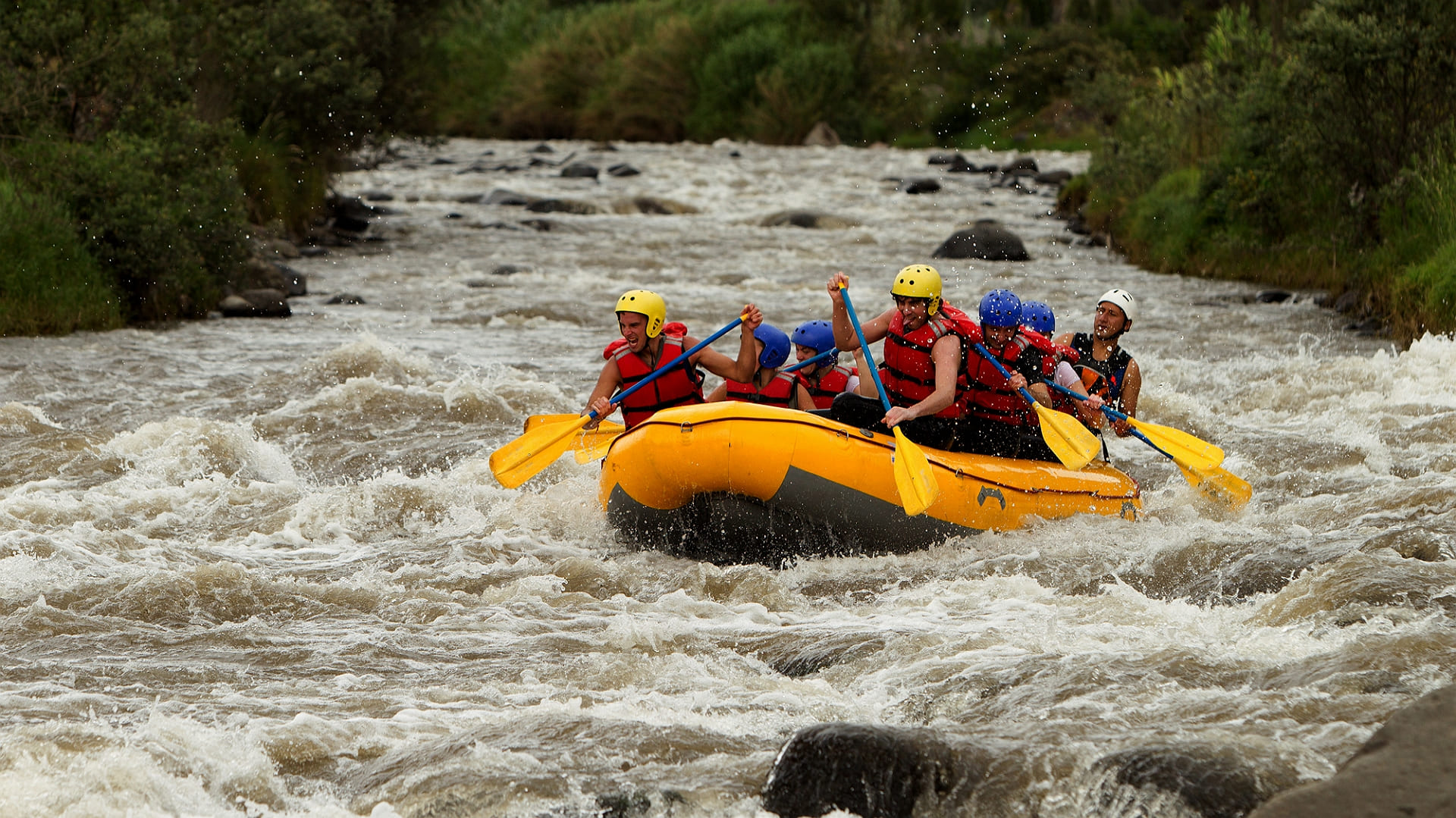
HIDRO LINE: Adventure sports on wet terrain
Hidro Line: Key tips for adapting to all surfaces | Bestard
When practising adventure sports in wet environments and on slippery ground, keeping water out of your footwear is not always possible. During a canyoning descent or a coasteering route, immersion is part of the activity. In these conditions, how effectively your footwear drains water matters, alongside the fit and the grip provided by the outsole on the surfaces you encounter.
Canyoning, caving, rafting, trekking through tropical forests and fly fishing all involve exposure to moisture, but they place different demands on footwear. Spending hours moving between boulders is not the same as walking through a muddy forest or approaching a riverbank to fish.
Choosing suitable footwear starts with understanding those differences and considering the entire outing, including the approach and return.
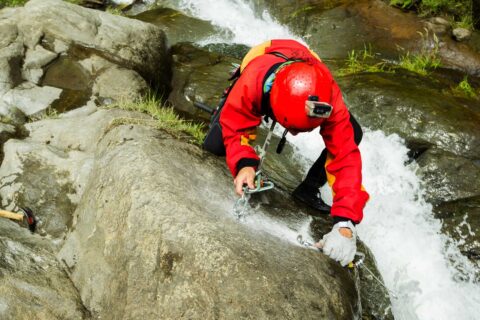
Canyoning: walking and moving through a watercourse
Canyoning involves travelling along a watercourse and negotiating obstacles that may require swimming, downclimbing or rope work. Conditions change throughout a route: a dry approach may lead to smooth rock, submerged boulders and sections of flowing water.
Your footwear needs to cope with this variety. It is also worth remembering that difficulty depends on the conditions on the day. Check the water level and flow, weather forecast, technical difficulties and possible exit points before setting off. Montaña Segura’s canyoning safety advice provides further guidance.
- On footholds: look for footwear designed for wet surfaces and check the outsole for wear.
- During immersion: assess how water drains from the footwear and test the fit with the neoprene socks or booties you plan to wear.
- Before setting out: choose a descent suited to the group’s experience and use a qualified guide if you lack the necessary training.
Caving: moisture, rock and mud underground
In caving, the characteristics of the cave determine the equipment you need. Not every cave involves the same amount of water, mud or vertical terrain. Choosing footwear therefore means understanding the planned route and its obstacles.
Abrasion resistance and foot protection become particularly important in narrow passages and on uneven ground. Footwear is also only one part of the preparation: knowing the cave, carrying backup lighting and having the appropriate equipment are all essential considerations.
- Check the route: identify wet sections, muddy areas and technical requirements.
- Assess protection: check the fit and the protection offered against contact with rock.
- Prepare the whole kit: choosing suitable boots matters as much as lighting, navigation and specific training.
Rafting: footwear matters outside the raft too
Much of a rafting trip takes place on the raft, but the activity also involves reaching the river, getting on board and disembarking. These stages matter when choosing boots or shoes.
Some models are designed to work for both the approach and the water-based activity. This shows how footwear can accommodate different stages of a trip, although your final choice should follow the organiser’s instructions and the conditions on the day.
- Fit: check that the footwear fits your feet securely.
- Access routes: consider the ground you will cover before and after the rafting section.
- Full equipment: ask your guide what footwear and thermal protection are needed for the activity.
Coasteering: moving between rock and sea
Coasteering follows the coastline, combining movement over rock with swimming sections. Depending on the route, it may include other activities that require specific knowledge of the coastal environment.
Waves, tides and safe places to leave the water all need to be considered when planning. The Royal National Lifeboat Institution (RNLI) recommends using qualified providers whose staff are trained in both technical skills and water safety.
- On rock: pay attention to wet surfaces and changes in footing.
- In the water: look for a secure fit, suitable grip and a design that allows water to drain.
- When planning: choose a route and professional support appropriate to your experience and sea conditions.
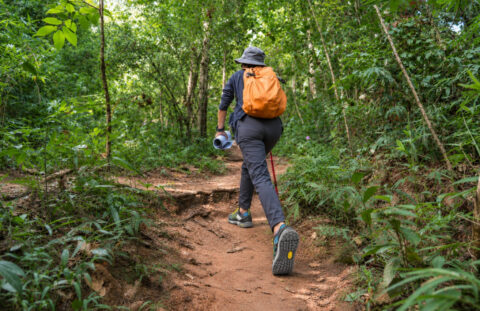
Trekking through tropical forests: moisture beyond river crossings
In a tropical forest, moisture may be present throughout the entire route. Mud, roots and wet rock require care, even when you are not walking through a river.
A mainly land-based trek and one with frequent immersion call for different footwear. Duration, pack weight and opportunities to dry equipment between days also matter.
- Identify the main terrain: distinguish between mud, rock and water crossings.
- Consider the whole day: check that the footwear is comfortable for the expected walking time.
- Check local conditions: consult trail updates and the guidance provided by the relevant protected area before setting out.
Fly fishing: watch your footing by the river
Movement during fly fishing may be slow, but the terrain still deserves attention. Walking along the bank and wading into the river are different situations: once you enter the water, current, depth and visibility of the riverbed all become important.
Your footwear choice should reflect whether you will fish from the bank or wade, as well as your equipment and personal experience. The New Zealand Department of Conservation provides useful wading safety advice.
- From the bank: assess access paths and the surfaces you will walk on.
- If you plan to wade: check that your footwear is compatible with the rest of your equipment.
- When conditions are uncertain: choose an alternative position on dry land; a technical outsole cannot remove the risks posed by the current.
How to choose footwear for wet or damp terrain
The first distinction is between external moisture and immersion. Walking in the rain and repeatedly entering the water are not the same. For water-based activities, water drainage is a feature worth checking explicitly in each product specification.
Next, assess the footwear as a whole. Grip depends on the surface and the condition of the outsole, while fit affects how securely the foot is held inside the shoe or boot. Outsole design or a single technology should never be your only criterion.
- Intended use: check that the manufacturer lists the activity you plan to undertake.
- Outsole: choose a design suited to the terrain; wet rock and mud require different considerations.
- Fit: try the footwear with the socks or neoprene booties you intend to wear, avoiding excessive pressure or significant heel movement.
- Protection: consider impacts, abrasion and the possibility of small stones entering the footwear.
- Complete route: include the approach, the main activity and the return when comparing options.
Bestard Hidro Line: footwear designed for wet environments
The Bestard Hidro Line range is developed for activities in wet environments and on slippery ground. Its designs address grip, resistance to wear, fit and water drainage. The exact features should always be checked for each model.
The right choice depends on the activity, the protection required and how well each model fits your feet.
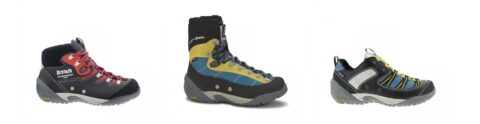
- Canyon Guide: a boot with water drainage and an integrated gaiter to help limit the entry of grit. Its listed uses include canyoning, caving and trekking through tropical forests.
- Wildwater Pro: a mid-cut boot designed for whitewater activities, including canyoning, rafting and kayaking.
- Aqua Pro: a shoe with water drainage and a lacing system that can be adjusted for use with neoprene booties or socks.
All three models feature the Vibram® Best Idrogrip + EVA outsole. This should not, however, be taken as a guarantee against slipping.
Caring for your footwear after an activity
Maintenance is another factor to consider: you need to know how to clean and dry the model you use. Before your next outing, take a few minutes to check for wear or damage.
Bestard’s care and maintenance advice is a useful reference. Follow only the instructions that apply to the materials used in your particular boots or shoes.
- Remove dirt and check the inside of the footwear before its next use.
- Allow footwear to dry naturally, away from intense heat sources.
- Inspect the outsole, laces and joining areas; seek advice about any damage that could affect use.
Understanding the terrain, checking the conditions and choosing a suitable model will help you prepare more effectively for your next outing.
Frequently asked questions
What footwear do I need for adventure sports on wet terrain?
It depends on the activity and how much time you will spend immersed in water. Consider the model’s intended use, grip on the surfaces along your route, fit, protection and water drainage.
Are waterproofing and water drainage the same thing?
No. Waterproofing aims to prevent water from entering through the footwear’s materials and construction. Drainage allows water that has entered to escape. They serve different purposes.
Can I use the same footwear for the approach and the water-based activity?
Some models are designed for both stages, including certain Bestard designs. You should still consider the walking distance, terrain and personal fit.
How should I try on footwear if I will be wearing neoprene booties?
Try it on with the booties you intend to use. Check heel hold, toe room and whether the fastening system allows a secure fit without excessive pressure.
Does an outsole designed for wet rock prevent all slips?
No. Surface conditions, slope, wear and foot placement all affect grip. Footwear cannot eliminate the risks of the terrain.