
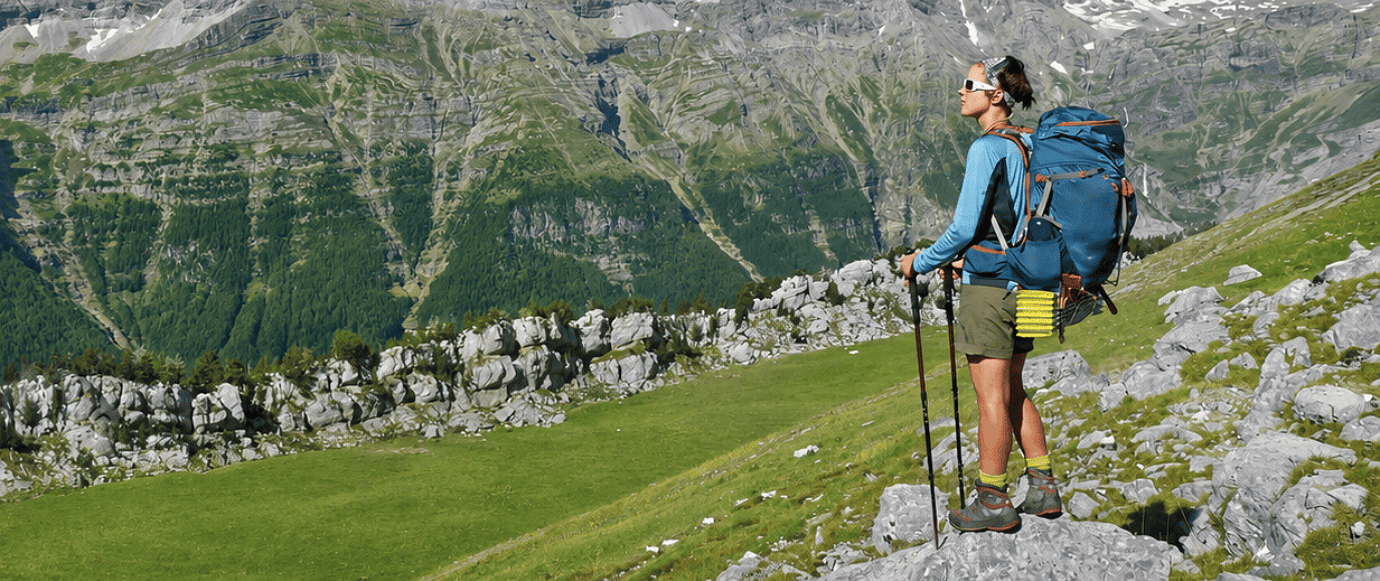
What is trekking and how to prepare for your first trek
Trekking: what it is and how to get started | Bestard
A route may look short on a map yet take many hours once steep slopes, loose stones or a heavy rucksack come into play. Before you start trekking, it helps to learn how to assess these conditions when choosing where to go. The term usually refers to walking journeys lasting several days through natural environments. Preparing for them means deciding where to sleep, how to replenish supplies and what equipment to use. A well-planned first experience starts with a manageable route and footwear that suits your feet and the activity.
What is the difference between trekking and hiking?
The UIAA associates trekking with walks lasting several days through mountains and other natural areas, particularly away from the busiest trails. In practice, the terms can overlap: an activity’s name tells you less than its actual route. A hut-to-hut trek on clearly defined paths may be technically straightforward, while a day hike can cross difficult terrain.
- Trekking usually involves organising daily stages, accommodation and supplies.
- Duration alone does not determine technical difficulty.
- Hard snow, ice or climbing sections change the preparation and equipment required.
How to prepare for your first trekking route
Start with day walks to learn your pace and see how you cope with elevation changes and a rucksack. When you move on to a trek, choose daily stages you can complete with time and energy to spare. Your planning should account for the experience of everyone in the group. Montaña Segura’s advice provides a useful reference for reviewing your itinerary before setting off.
- Calculate the distance, ascent, descent and total time, including breaks.
- Check access points, exit routes and options for shortening the walk.
- Confirm accommodation, services and water sources for your planned dates.
- Check AEMET’s forecast for the area and any weather warnings.
- Leave your itinerary and estimated return time with someone you trust.
How to assess a route’s difficulty
Two routes covering a similar distance can require very different abilities. The MIDE system assesses four aspects of a route. Consult these ratings where available and check which season and conditions they apply to. A published assessment does not replace observing the terrain yourself, nor does it necessarily describe current conditions.
- The severity of the natural environment and the hazards present.
- The navigation skills needed to follow the route.
- The difficulty of moving across the terrain.
- The physical effort required to complete the walk.
What to pack in your rucksack
Choose your equipment according to the expected conditions and make sure you know how to use it. For a trek lasting several days, agree on which items you will share and what each person needs to carry. Montaña Segura’s checklist includes equipment for navigation, weather protection and unexpected situations. Also check what your accommodation provides to avoid carrying unnecessary items. Before closing your rucksack, test your headtorch and navigation devices. Keep anything you may need during the walk within easy reach, so you do not have to unpack everything.
- Warm clothing and protection against rain, wind and sun.
- Enough water and food, with resupply planned for each stage.
- A map, compass and navigation prepared in advance, with backup power for electronic devices.
- A headtorch, first aid kit, emergency blanket and whistle.
- Sleeping equipment suited to your overnight arrangements and spare socks.
How to choose footwear for trekking
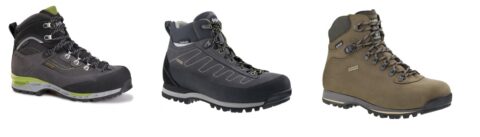
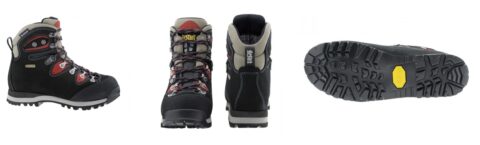
First, define the intended use: terrain, climate, duration and load. Then compare models. Bestard’s Trekking range includes boots designed for a variety of mountain activities, mainly on mid-altitude mountain terrain. Check the specifications of each model; belonging to the same range does not mean all boots share the same materials or stiffness. Choosing the right pair means considering both construction and fit.
- On straightforward terrain, consider walking comfort.
- For uneven routes with a loaded rucksack, compare support and protection.
Outsoles and stiffness for the terrain
The tread pattern and rubber compound affect how an outsole performs on different surfaces. The stiffness of the boot also influences support and flex as you walk. Look for a construction suited to your activity: a stiffer boot can provide support where you need it, but it is not always an advantage on an easy path. The condition of the outsole matters too. Stiffness depends on the lasting board within the boot’s structure. Check this feature in the specifications.
- Inspect the tread depth and any worn areas.
- Compare flex and stability across models suited to your route.
- Grip varies with the surface, moisture and wear.
Materials and waterproofing for the expected weather
Your choice of upper and lining should reflect the conditions you usually encounter. If you expect wet conditions, check the model’s stated waterproofing. For warm weather, also consider breathability and the overall construction. Bestard identifies which models incorporate GORE-TEX®; this feature should not automatically be assumed across its entire collection.
- Check the materials and lining used in the specific version.
- Remember that use, condition and maintenance affect performance.
Sizing and fit before a trek
The size number is a starting point. The last, width and internal volume determine how a boot fits your foot. Bestard recommends trying footwear on with the socks and insoles you intend to use. Try both boots, walk around and use a shop’s test ramp, if available, to check the fit when walking downhill. Assess each foot separately, as they may differ in size or volume. If you need to overtighten the laces to hold your foot in place, try another model built on a different last. Going up a size does not necessarily solve a width problem.
- Your heel should stay securely in place without excessive movement.
- Your toes need enough room and should not hit the front of the boot.
- The laces should hold your instep securely without compressing it.
- Test the footwear on short walks before wearing it for several days.
What to check while walking
Your planning remains useful on the trail when you compare it with what is actually happening. Check your position, progress against your schedule and the group’s condition at different points along the route. Montaña Segura stresses the importance of noticing signs that suggest a change of plan. An early delay or someone beginning to fall behind calls for reassessment before continuing into more demanding terrain.
- Match the pace to the group and make sure nobody becomes isolated.
- Watch for changes in the weather and visibility.
- Take your planned alternative routes or turn back when conditions call for it.
- If the terrain requires skills you do not have, seek training and professional guidance.
How to reduce your impact on the environment
The Leave No Trace principles offer guidance on caring for the places you visit. Where established trails exist, stay on them and avoid creating shortcuts. Before planning an overnight stay outdoors, check the current rules for overnight stays and camping with the organisation managing the area. Rules vary by location and should be checked for each trip. Also look for access restrictions or seasonal conservation measures. A route published on a platform does not confirm that it can be walked at any time. Information from the organisation managing the area should form part of your preparation.
- Take your rubbish with you, including food scraps.
- Watch wildlife from a distance and do not feed it.
- Respect other visitors and leave the surroundings as you found them.
How to care for your boots after trekking
When you return, spend a few minutes checking your footwear before putting it away. Follow Bestard’s cleaning instructions and use products compatible with the materials. Drying boots with intense heat can damage them. Preparing for your next walk also means checking that your footwear is clean, dry and ready to use.
- Remove the insoles and let the boots dry naturally, away from radiators, fires or direct sunlight.
- Once dry, brush dirt from the uppers, outsoles and inside the boots.
- If they need washing, follow the specific instructions and never use a washing machine.
- Inspect the laces, hooks and joins; store the boots somewhere dry and well ventilated.
Frequently asked questions
Does trekking have to last several days?
The term usually refers to journeys lasting several days, although usage varies. When assessing an activity, always check its duration, terrain and specific difficulties.
How many kilometres should you walk when starting out?
There is no single distance that suits everyone. Choose your route according to your experience, elevation changes, terrain, load and available time. Start with walks you can complete with time and energy to spare.
Are boots or shoes better for trekking?
It depends on the route and the fit. Compare the stiffness, support and protection you need for the terrain and the rucksack you will carry. Test your footwear before a trek.
Can trekking boots be used with crampons?
The trekking label does not confirm crampon compatibility, although strap-on crampons can usually be used. Walking on hard snow or ice also requires specific training.
Do all Bestard boots incorporate GORE-TEX®?
This should not be assumed. Check the specifications of the particular version to confirm its lining and stated features.