Trekking Approach: how to choose footwear for trails and approaches
Trekking Approach: how to choose footwear | Bestard
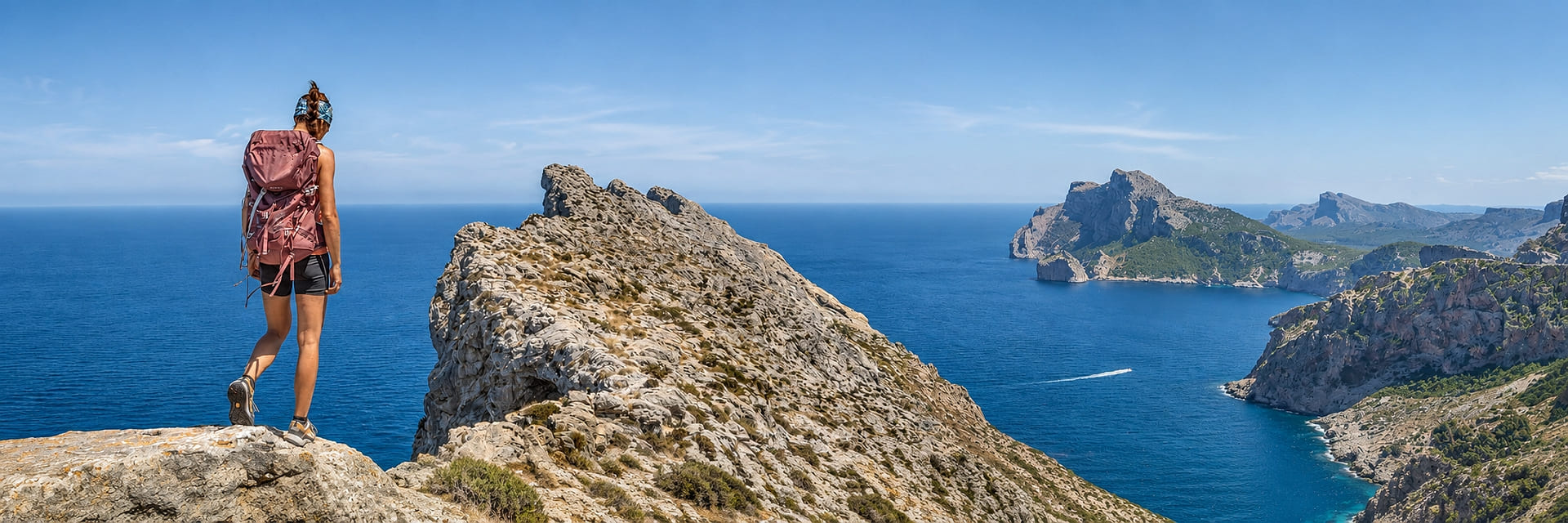
An easy trail can end in a stony climb where you need to choose each foot placement carefully. This transition helps explain the purpose of Trekking Approach footwear: combining walking comfort with features designed for more demanding terrain.
At Bestard, this range brings together shoes for activities such as hiking, mid-mountain trekking and approaches. Your choice of model should reflect your planned route and how well it fits your foot. The category name helps guide your search; the technical specifications help narrow it down.
Before comparing materials, think about your usual outings: how far you walk, the surfaces you encounter and what you carry in your rucksack. These answers are more useful than starting out by looking for the lightest or stiffest shoe.
What Trekking Approach means
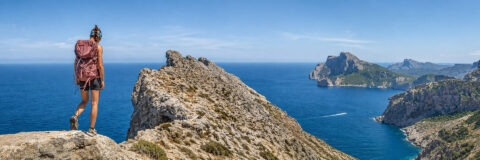
In the mountains, an approach is the route used to reach an activity or its starting point, such as the walk to a climbing wall. It may include easy paths as well as sections where the terrain calls for greater attention.
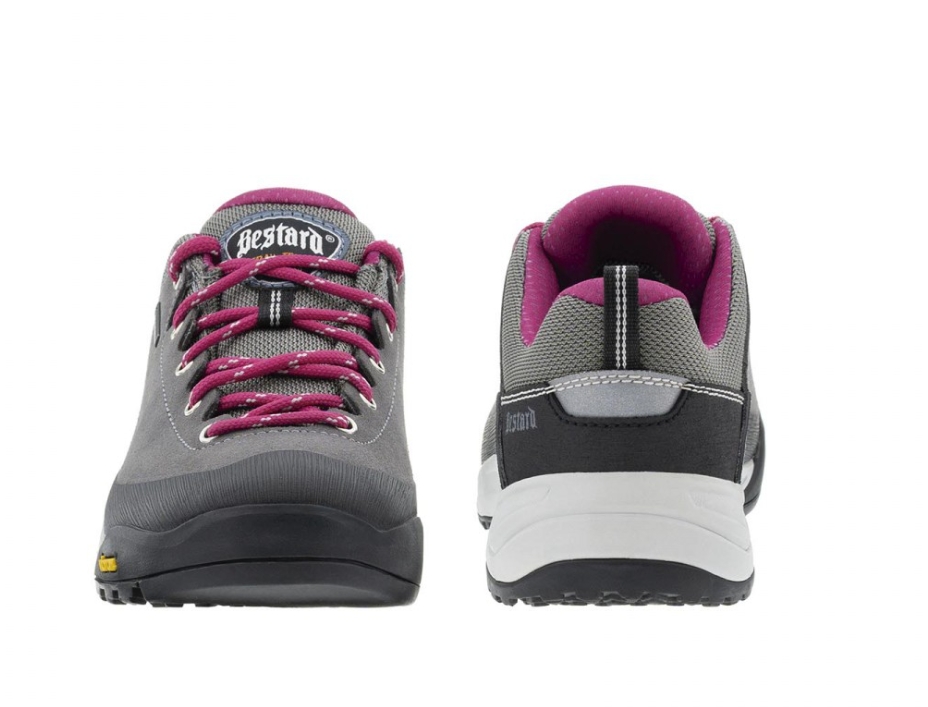
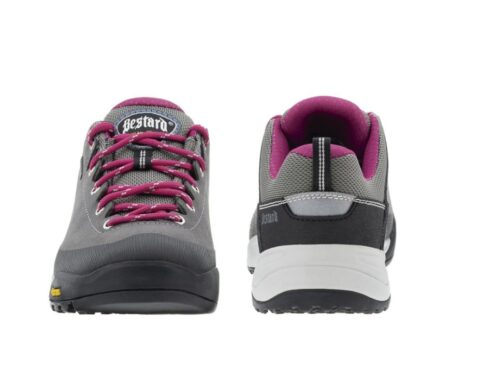
Bestard’s Trekking Approach range caters for this variety of uses. Its description includes protection, robustness and sole support, alongside specific features that vary between models. Some have lacing that extends towards the toe; others have a forefoot area designed for contact with rock, known as a climbing zone.
- The category provides guidance: it helps identify footwear designed to combine walking and approaches.
- The model provides the detail: check the published materials, construction and intended uses.
- The route determines your choice: even a short approach can include technical sections.
When to consider approach shoes
The decision starts with describing the terrain reasonably precisely. A ‘mountain walk’ could mean a stroll along a track or a route requiring small foot placements between boulders. Even if both outings take the same amount of time, they involve different demands.
It is also worth distinguishing between your regular activities and an occasional outing. Choosing solely for the most difficult section you can imagine may leave you with footwear that is poorly suited to most of your days out. Bestard recommends considering both the features your activity requires and the fit.
- Trails with rocky sections: assess the protection and support you need on those sections.
- Approaches to climbing areas: consider the return journey and the load you will carry as well.
- Longer routes: check walking comfort as well as how the shoes feel on specific footholds.
- Different activities during the week: decide which take priority to avoid choosing for an overly specific combination of uses.
Outsole, support and protection: what to compare
The outsole is the part in contact with the ground, but footwear performance depends on the whole construction. The lasting insole contributes to longitudinal and lateral flexibility, while the outer materials and reinforcements add other characteristics.
A shoe that bends easily in your hands is therefore not automatically the most comfortable option for every route. Equally, a stiffer construction should make sense for the intended use. Product ranges group shoes together, but there can be significant differences within each range.
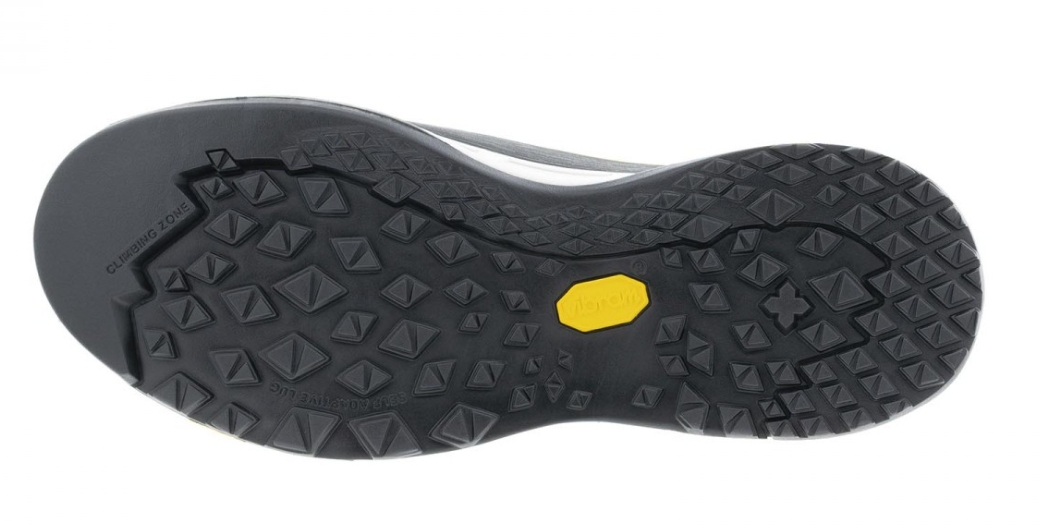
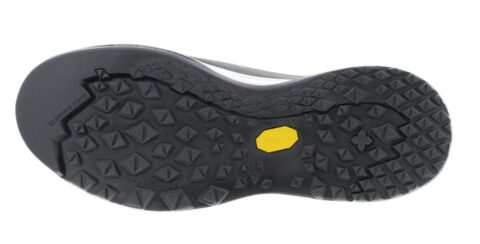
- Outsole: identify the model and the features stated by the manufacturer, rather than judging it solely by its appearance.
- Flexibility: assess the balance between walking comfortably and having the support your activity requires.
- Outer protection: check where the reinforcements are and which areas they cover.
- The footwear as a whole: compare complete models; a single technology does not tell you how well a shoe will suit your use.
How to read technical specifications
Technical specifications are useful when you relate each detail to a specific need. The last indicates the internal shape; the lining describes one part of the construction; the outsole identifies the outer sole component. None of these details replaces trying the shoes on.
- Read the specifications for the exact product reference you are considering.
- Distinguish verified features from your personal impressions when trying the shoes on.
- Make a note of the questions you need to resolve at a specialist shop before deciding.
How to check the fit of Trekking Approach shoes
Fit deserves time. Two models in the same size can fit differently, and tightening the laces does not always resolve a mismatch between your foot and the last. Trying the shoes on should allow you to assess length, width and how securely they hold your feet.
In its guide to finding the best fit, Bestard recommends wearing the socks you plan to use for the activity and, where applicable, bringing any specialist insoles you normally use.
- Heel: check that it is held securely and does not move excessively as you walk.
- Toes: look for enough room, including when simulating a descent.
- Instep: adjust the laces without creating uncomfortable pressure.
- Both feet: try on the complete pair, as the fit may differ between feet.
- Movement: use the test ramp if the shop has one, and spend a few minutes walking.
Waterproofing and conditions of use
Check each product specification to see whether it includes a membrane. The Trekking Approach name alone does not mean that every product uses a particular technology. Bestard describes the models in this range that incorporate GORE-TEX® as waterproof and breathable.
To assess this feature, explain what your outings will involve: the time of year, typical moisture levels, duration and pace. A specific enquiry helps ensure that the advice takes account of the footwear as a whole and the conditions in which you will use it.
- Check the lining: verify the technology and version listed for the model.
- Describe the environment: distinguish between usually dry routes and those where damp conditions are frequent.
- Consider maintenance: review the care instructions for the outer materials and lining.
Bengala: an example from the Trekking Approach range
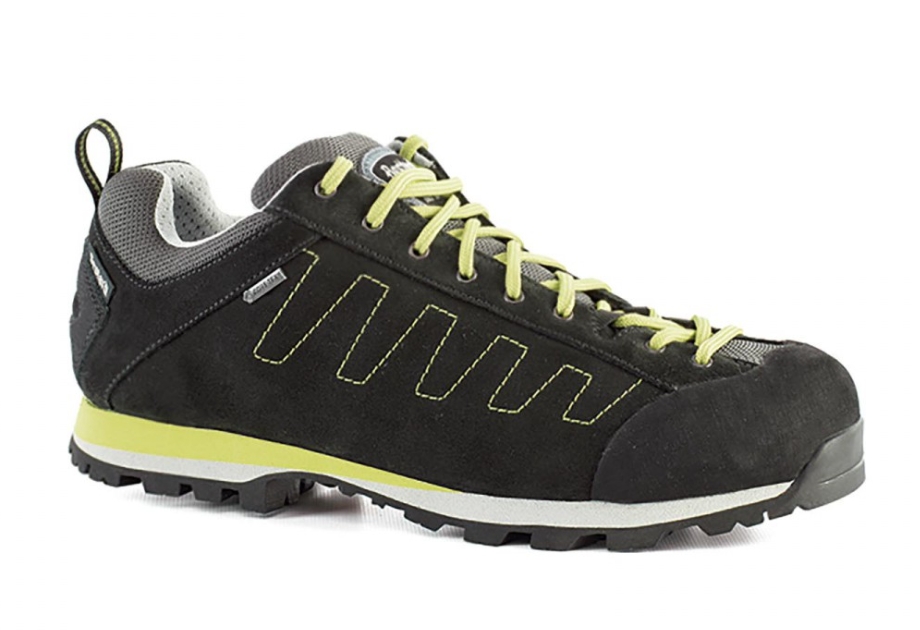
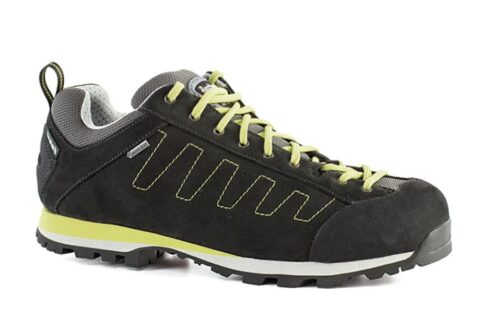
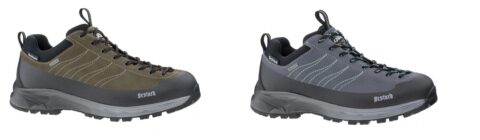
The Bengala, reference 3242, shows how these features apply to a specific shoe. Bestard presents it as a mountain and multi-activity shoe for mid-mountain trekking and demanding approaches, as well as hiking.
Its specifications describe a construction using water-repellent split leather and TPU, a GORE-TEX® Most Breathable lining and the Trail Tech 30 last. These details apply to this product reference and should be checked again if you are comparing a different version.
- Extended lacing: allows the footwear to be adjusted over a larger area of the instep.
- 360° TPU rand: provides protection around the outside of the shoe.
- Bestflex 3 / Normal lasting insole: identifies the specified support configuration.
- Vibram® Pepe Shelter outsole with Megagrip: listed in the model’s official description.
This example helps explain how to read specifications, but choosing a pair still requires checking the fit. Taking a list of your usual routes to the shop helps you compare the specifications with your actual needs.
Preparing for the route beyond footwear
Choosing shoes is one part of preparation. Review the complete route, including the descent, difficult sections and alternatives if conditions change. Distance alone gives an incomplete picture of the day.
Montaña Segura recommends organising outings around three actions: plan, equip yourself and act prudently. This includes checking the weather, understanding the difficulties and monitoring how the group is doing throughout the activity.
- Before setting out: check elevation gain and loss, duration, terrain and the weather forecast.
- When packing your rucksack: include equipment suited to the activity and conditions.
- During the route: pay attention to fatigue, timing and changes in your surroundings.
- If the plan is no longer suitable: take an alternative route or turn back.
You can find more detail in Montaña Segura’s planning recommendations.
Care after each outing
Your return is a good time to check your footwear. As well as cleaning it, look for wear, damage or anything that needs attention before your next outing. Leaving this check until the morning of your next walk gives you less time to resolve any problems.
Bestard’s maintenance advice provides a reference for looking after the materials and drying your footwear correctly.
- Remove the insoles to help the shoes dry.
- Leave the footwear to dry naturally, away from radiators and other sources of intense heat.
- Remove dirt following the instructions for the relevant material.
- Use care products that are compatible with the model.
- Check the laces, outsole and upper before wearing the shoes again.
Frequently asked questions
Is Trekking Approach an activity or a footwear category?
At Bestard, it is a footwear range designed to combine hiking, mid-mountain trekking and approaches, with features that vary by model.
Is choosing my usual size enough?
Size is a starting point. You need to check the last, heel hold and toe room while wearing the socks you will use for the activity.
What should I explain at the shop to make the right choice?
Describe the terrain, typical conditions and type of activity. Bring your socks and insoles too, so that trying the shoes on reflects how you will use them.
What features does the Bengala 3242 have?
Its specifications include water-repellent split leather and TPU, GORE-TEX® Most Breathable, the Trail Tech 30 last, a Bestflex 3 / Normal lasting insole and a Vibram® Pepe Shelter outsole.