Abel Femenías in Peru with the Climbing Guide FF
PERU, MUCH MORE THAN RED AND WHITE
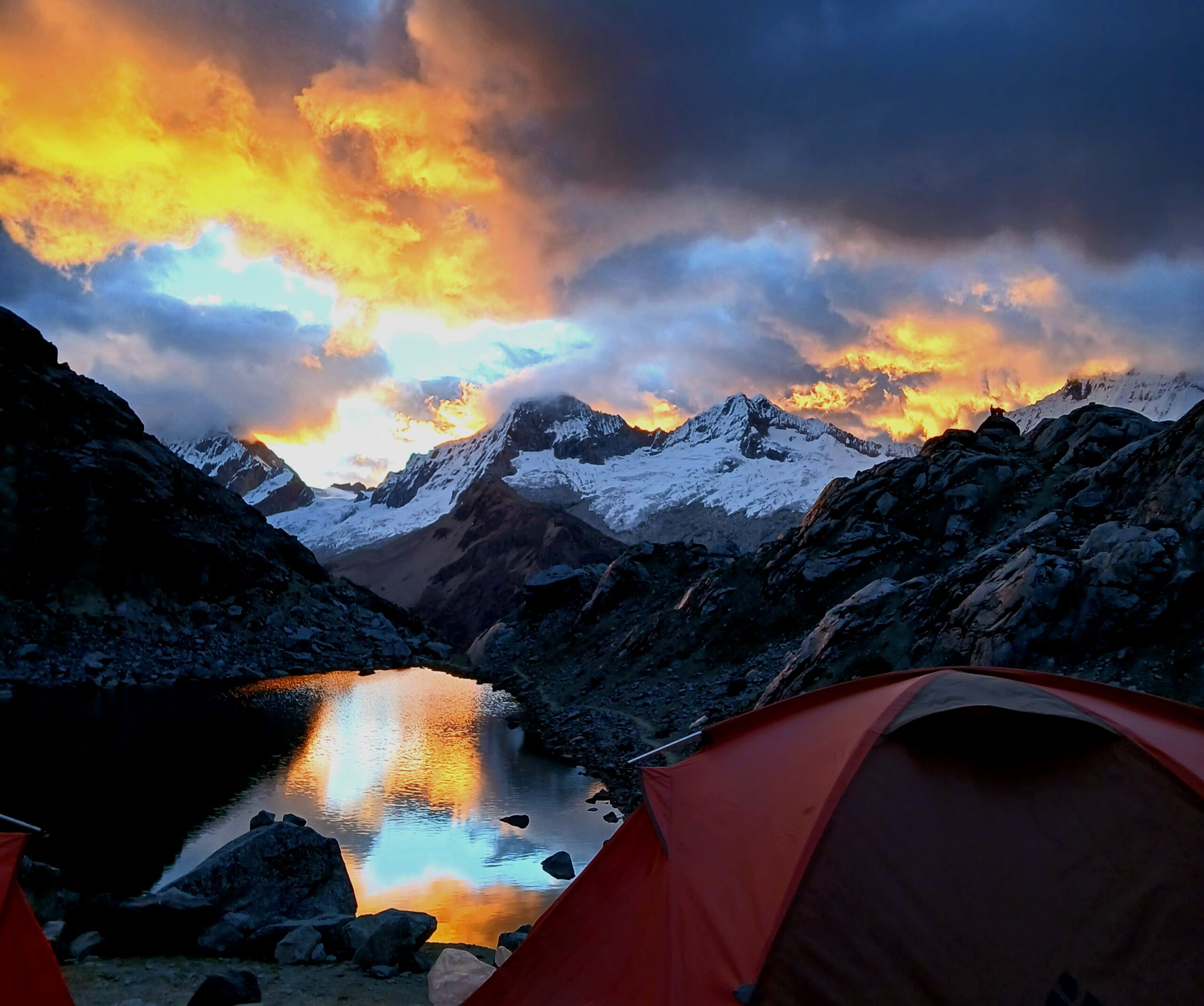
Peru is a country bursting with colour. It is not just the red and white of its flag. It is an immense mosaic of shades that fill its streets, markets and mountains, as well as the eyes of its people. It is a country that captivates you before you have even put on your boots.
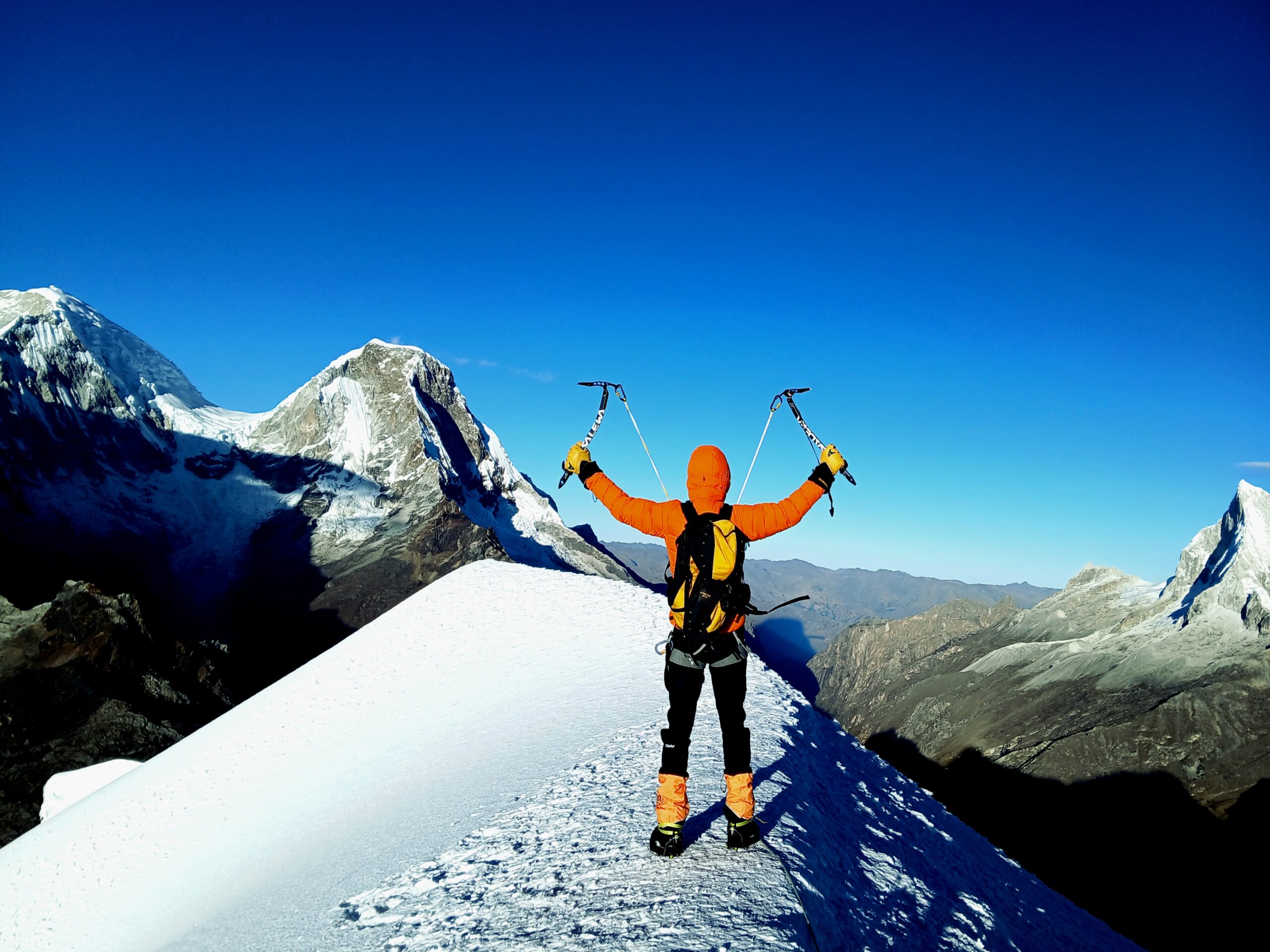
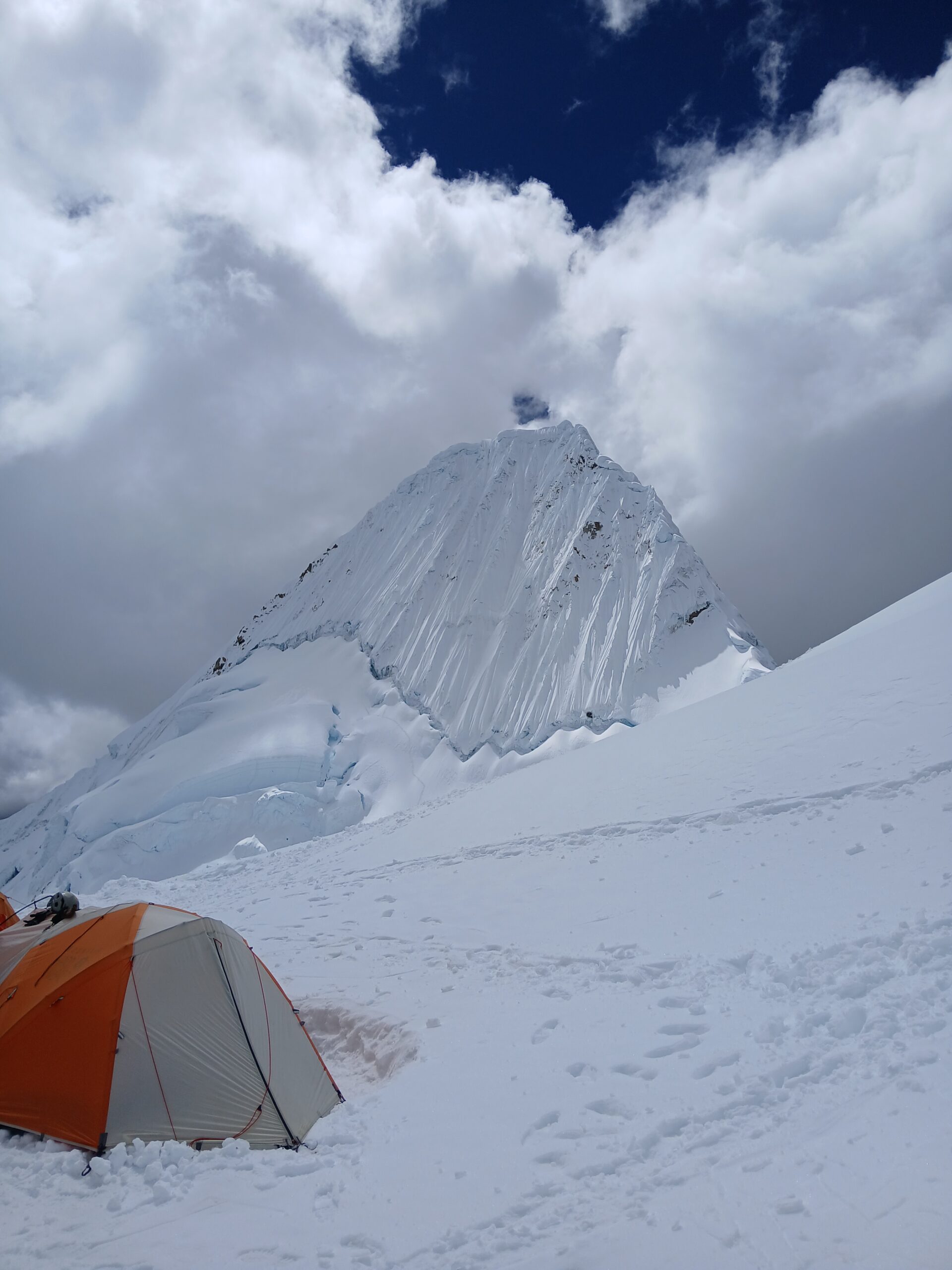
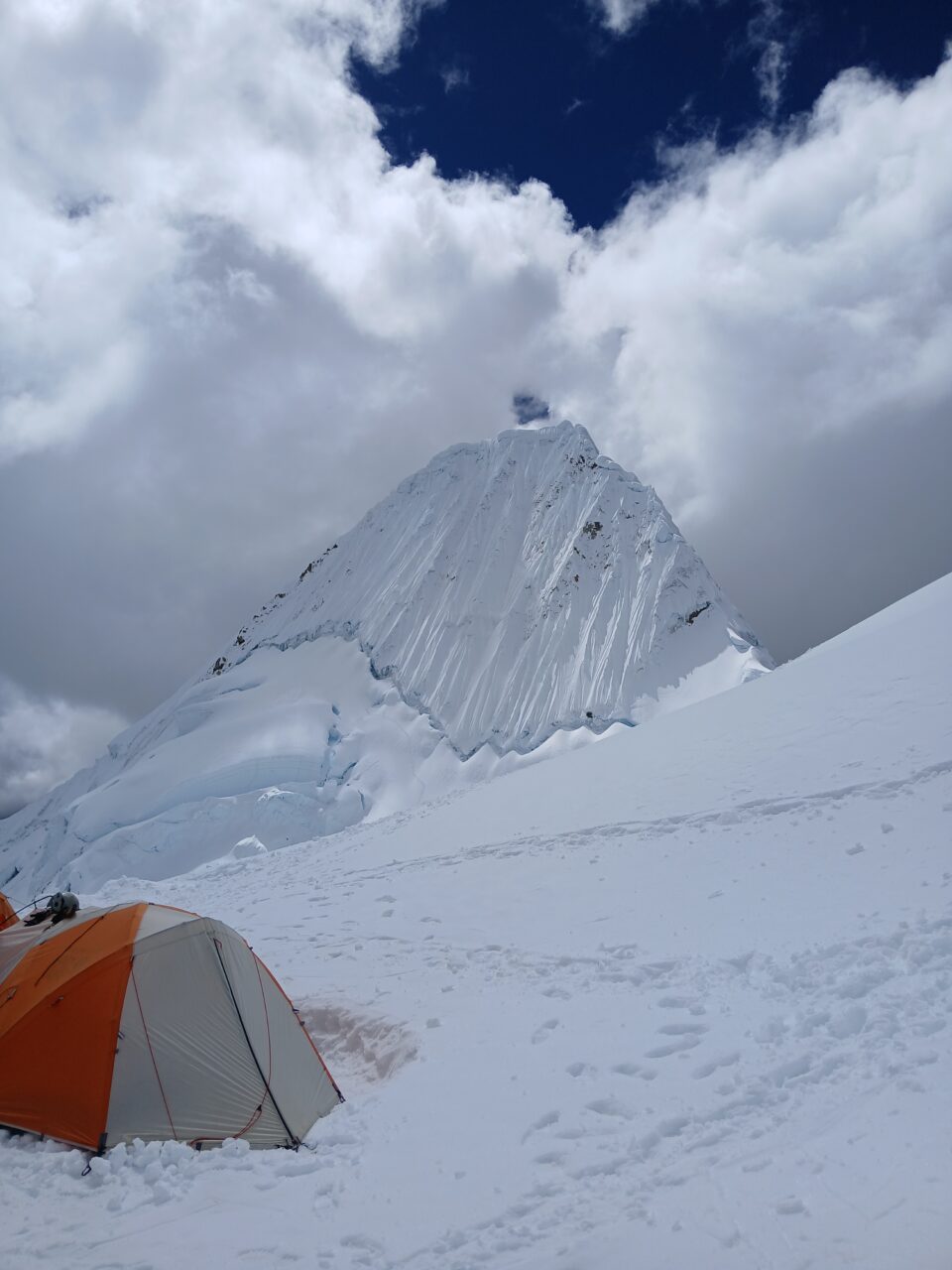
For three years, I had been trying to reach the Cordillera Blanca, in the heart of the Peruvian Andes, with one very clear objective: to climb one of the most beautiful and iconic peaks in the world, Alpamayo.
Finally, this past July, that long-awaited dream became a reality.
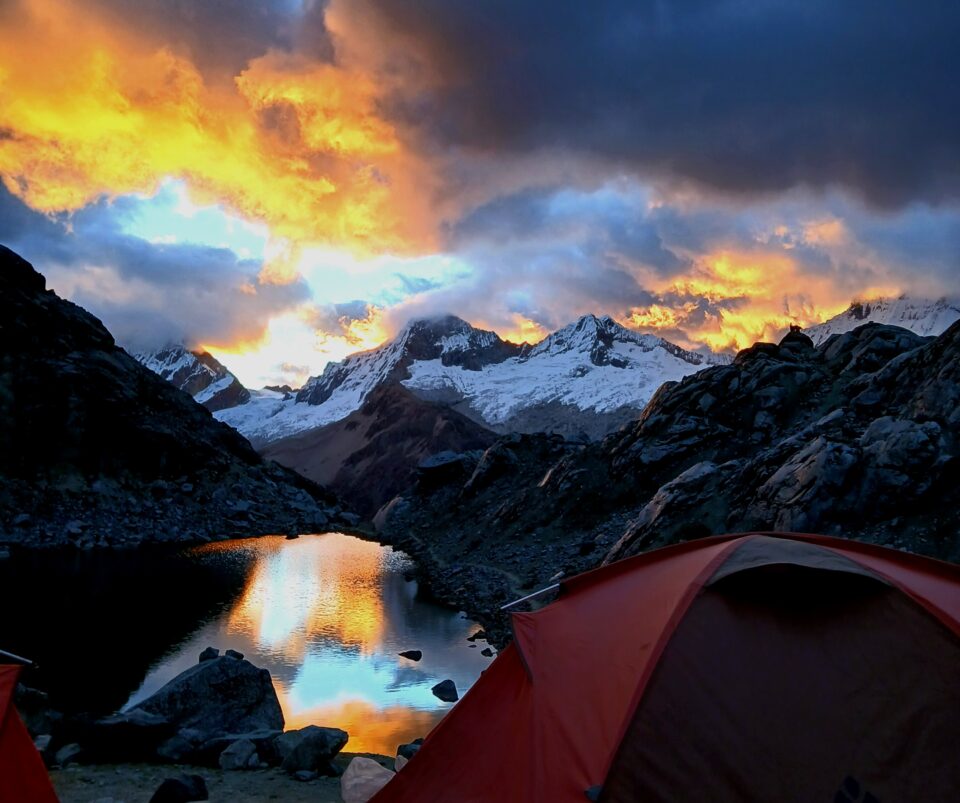
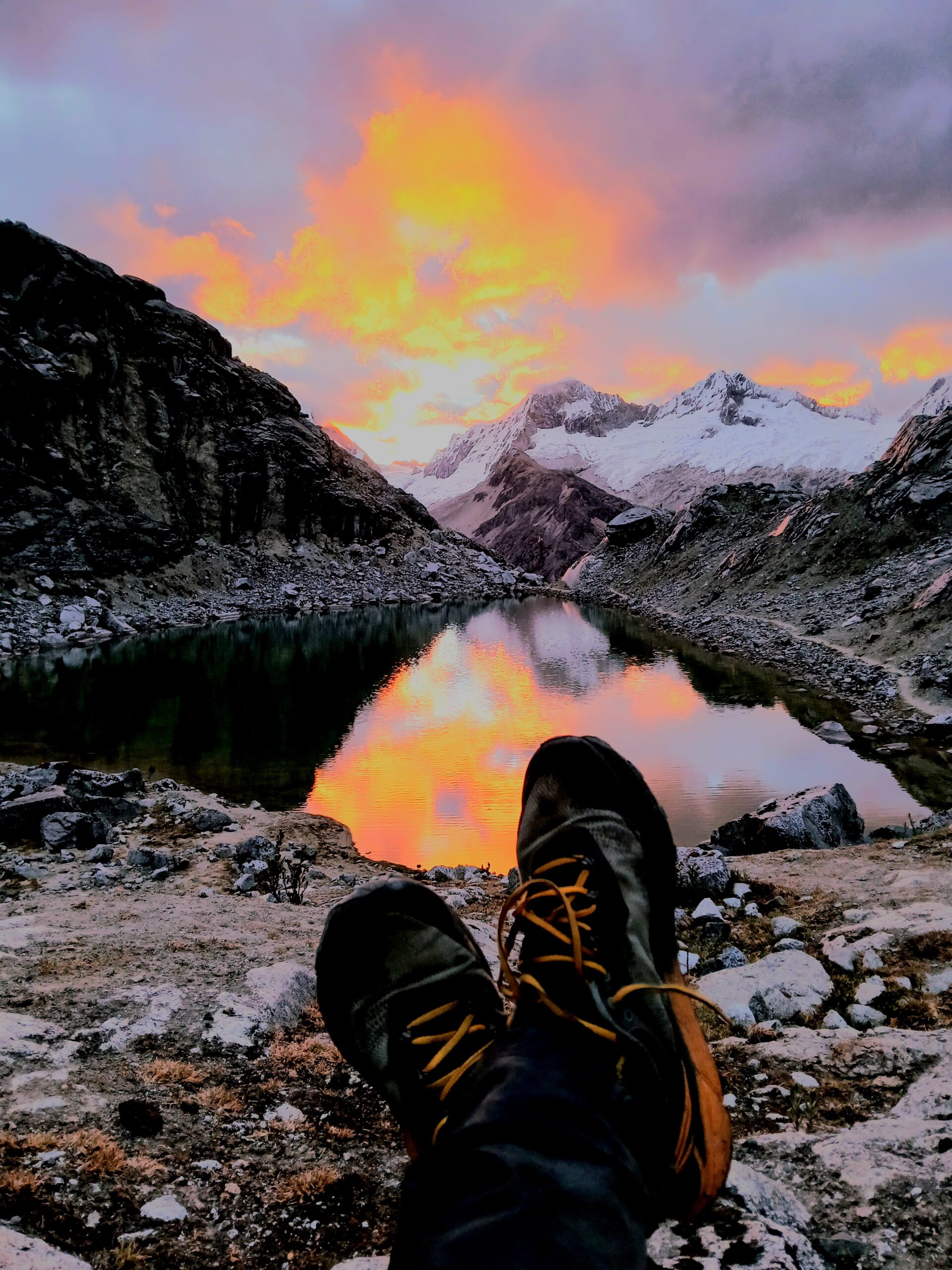
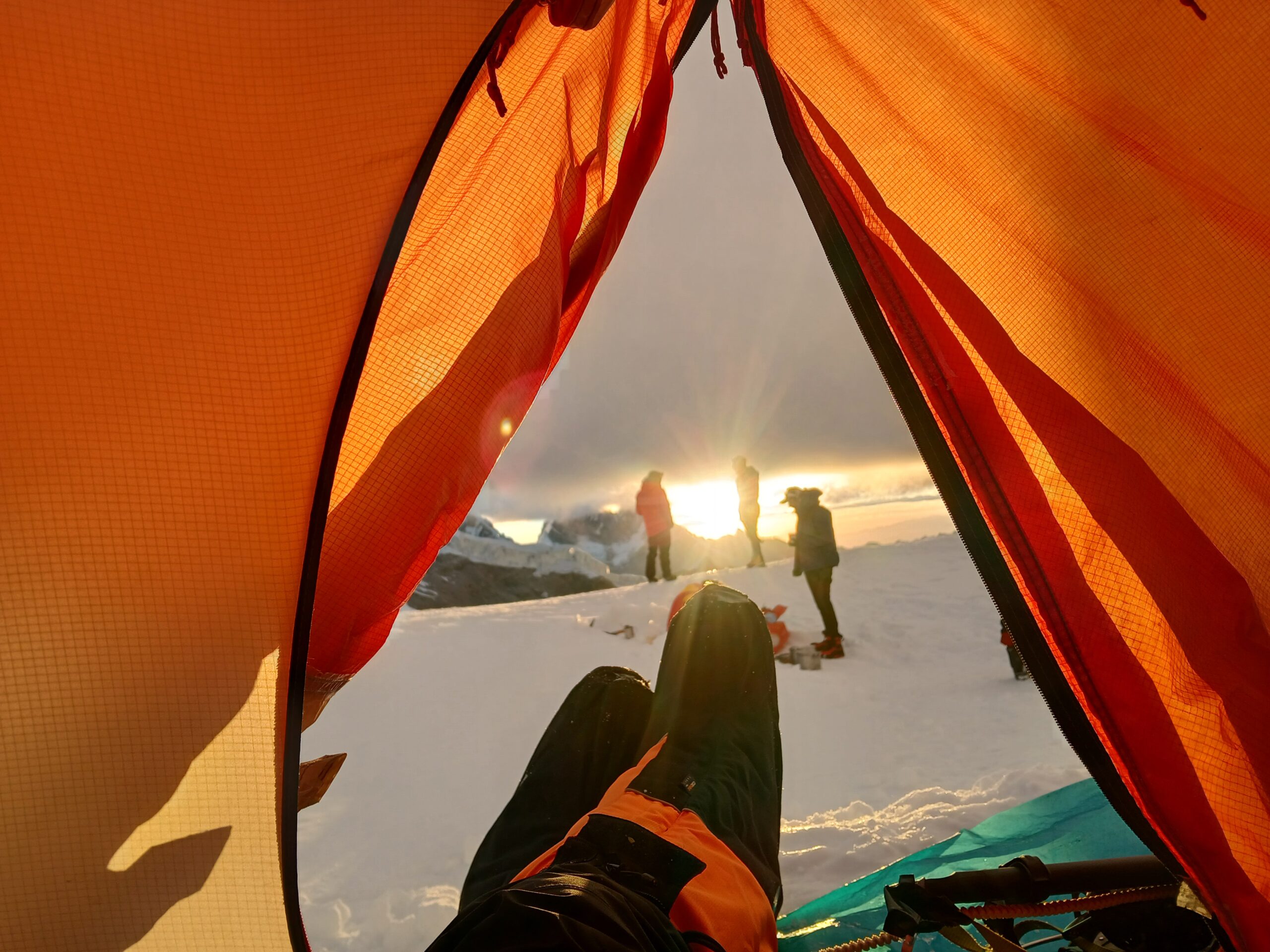
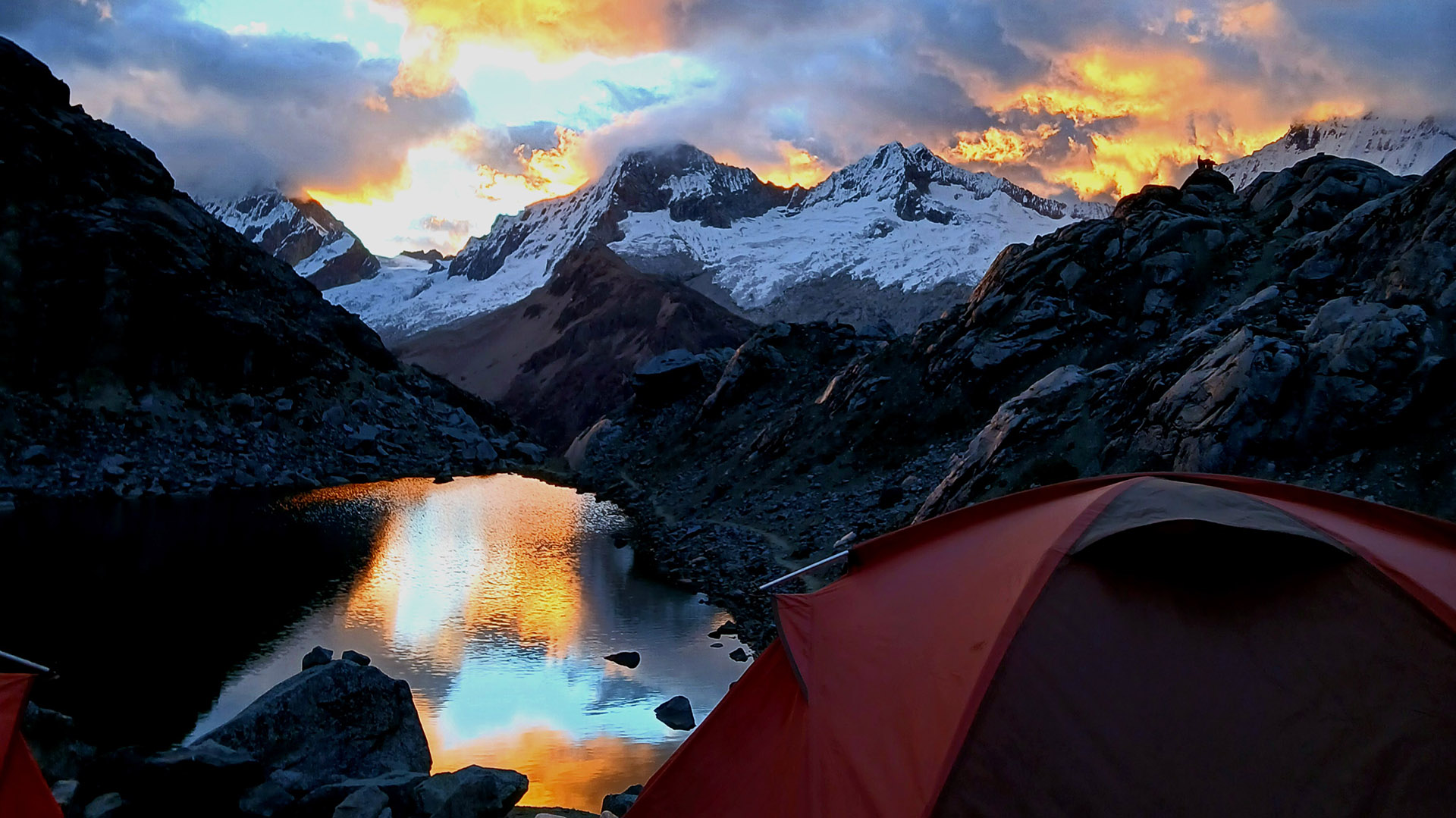
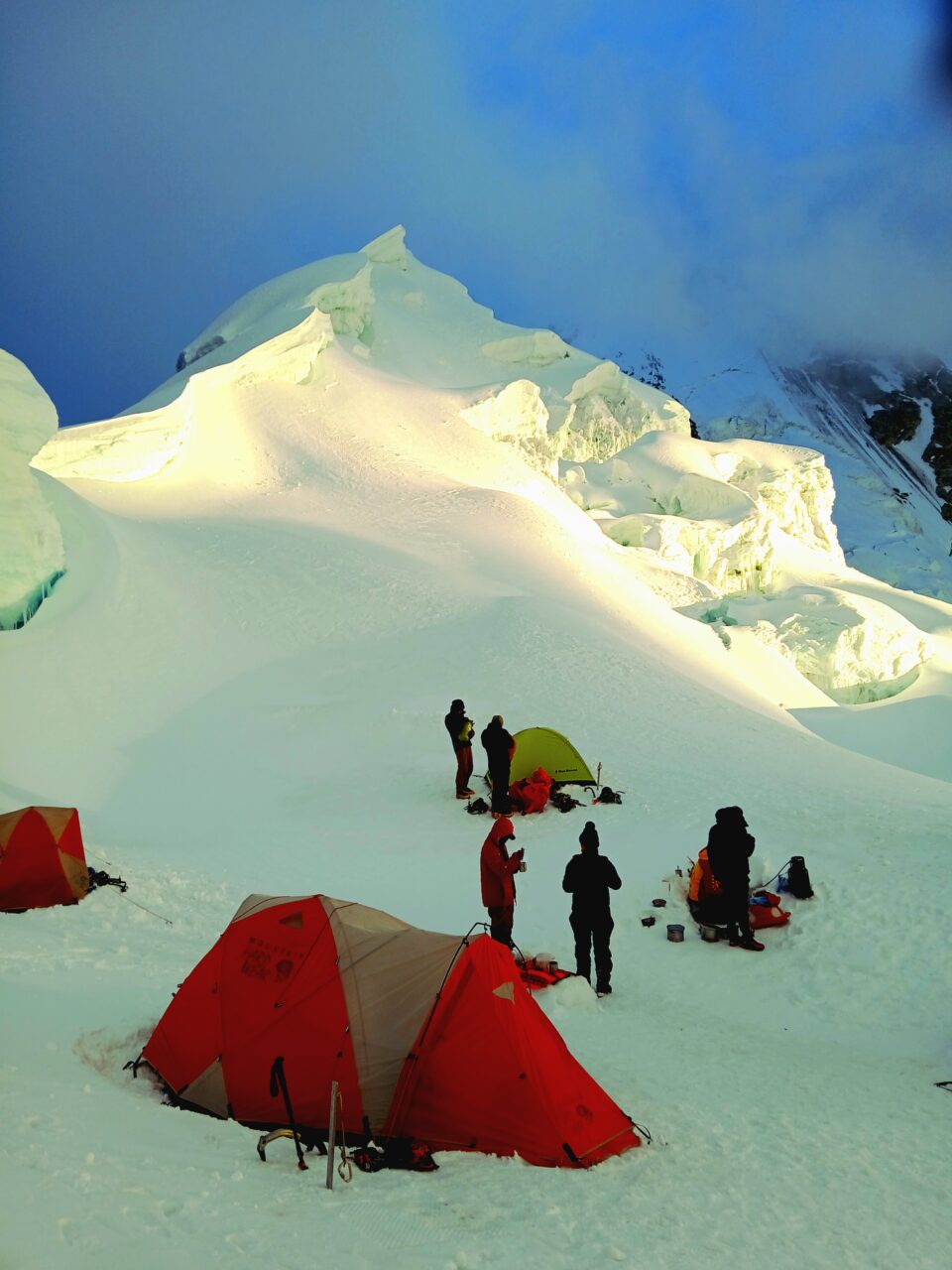
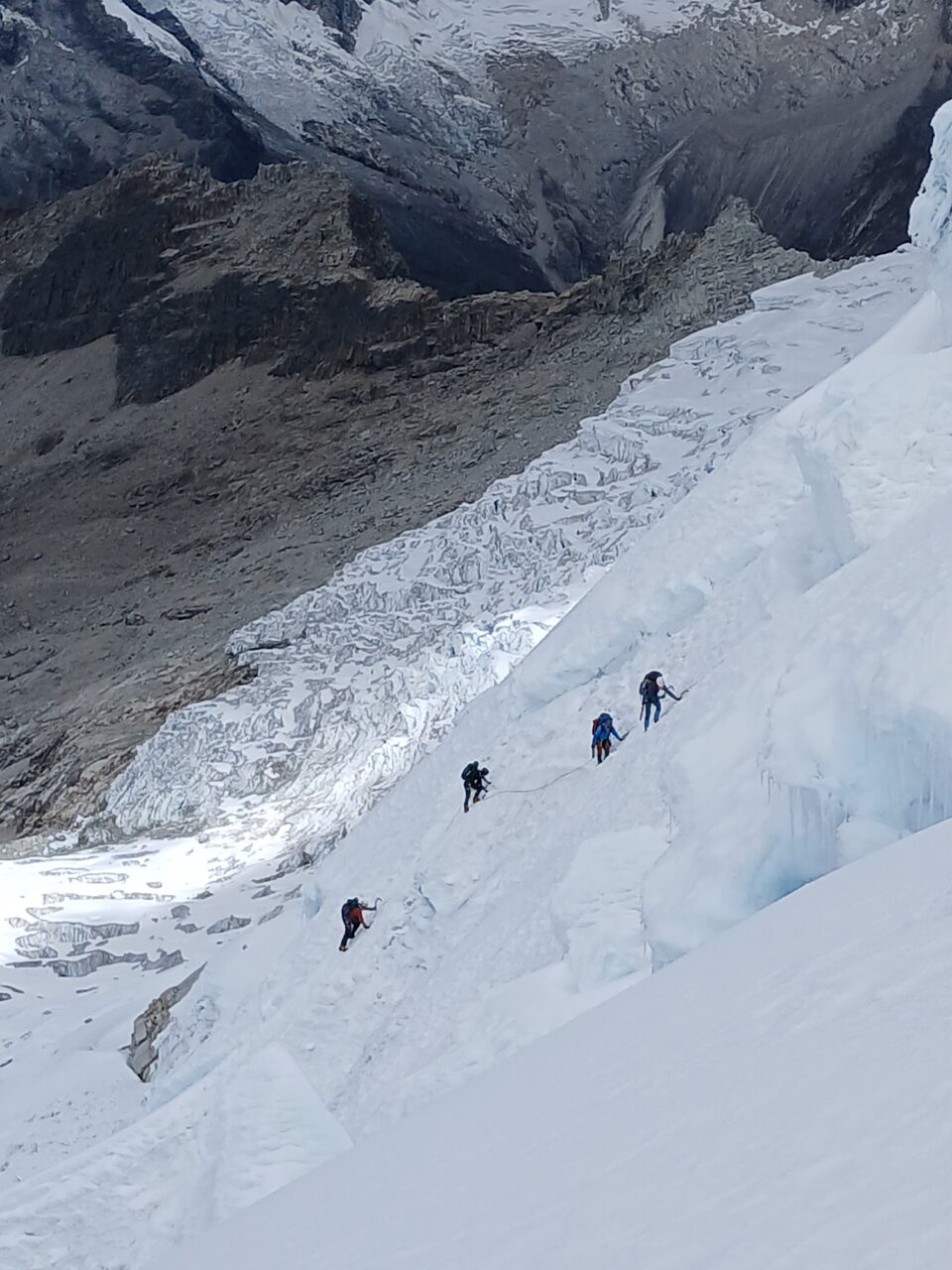
Once in Huaraz, the little “Kathmandu” of the Andes, we began the essential process of acclimatisation. Our first encounter with altitude took us to Laguna Churup at 4,450 metres, before we tackled the ascent of Yanapaccha at 5,450 metres. It was the best possible preparation for the main objective of the trip: Alpamayo at 5,947 metres.
At this point, it is impossible not to pause for a moment and give thanks. My gratitude goes to Bestard Mountain Boots, who have always been willing to help me turn dreams into projects and projects into reality.
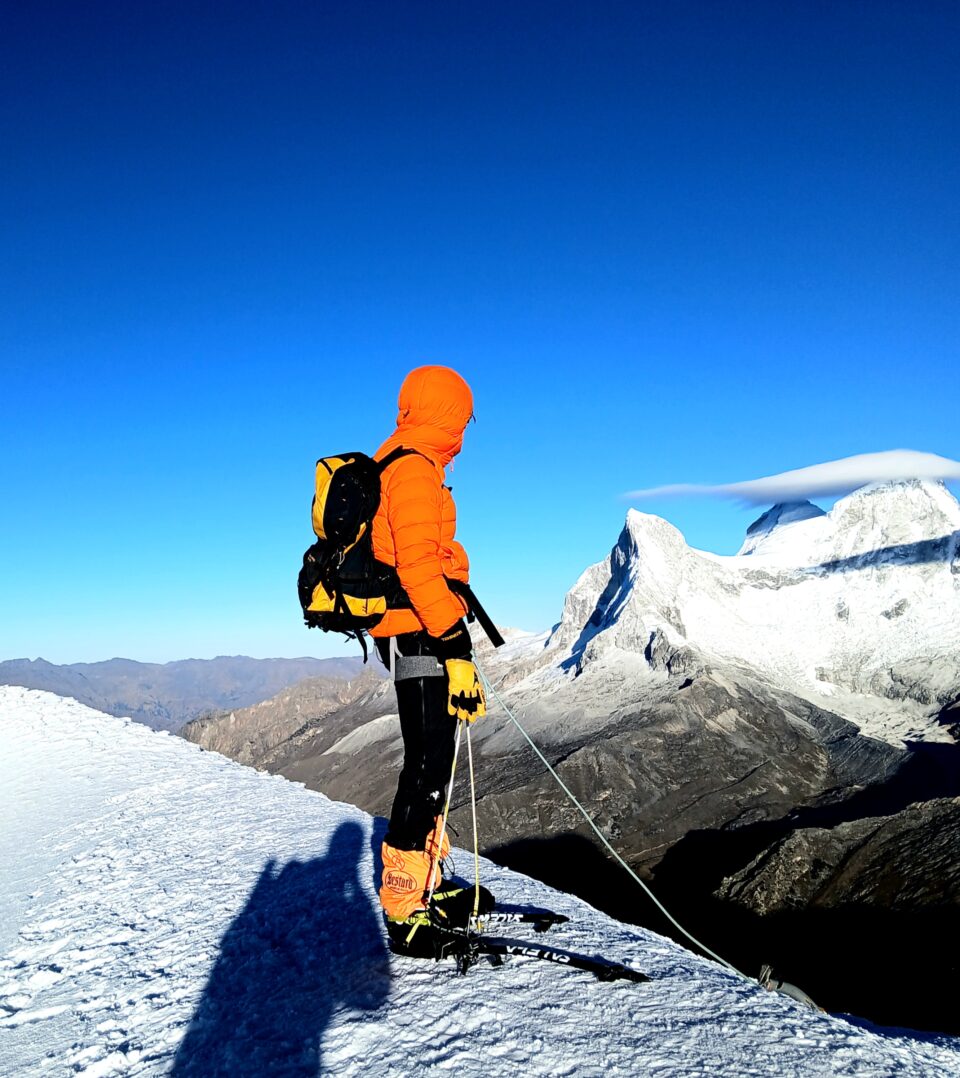
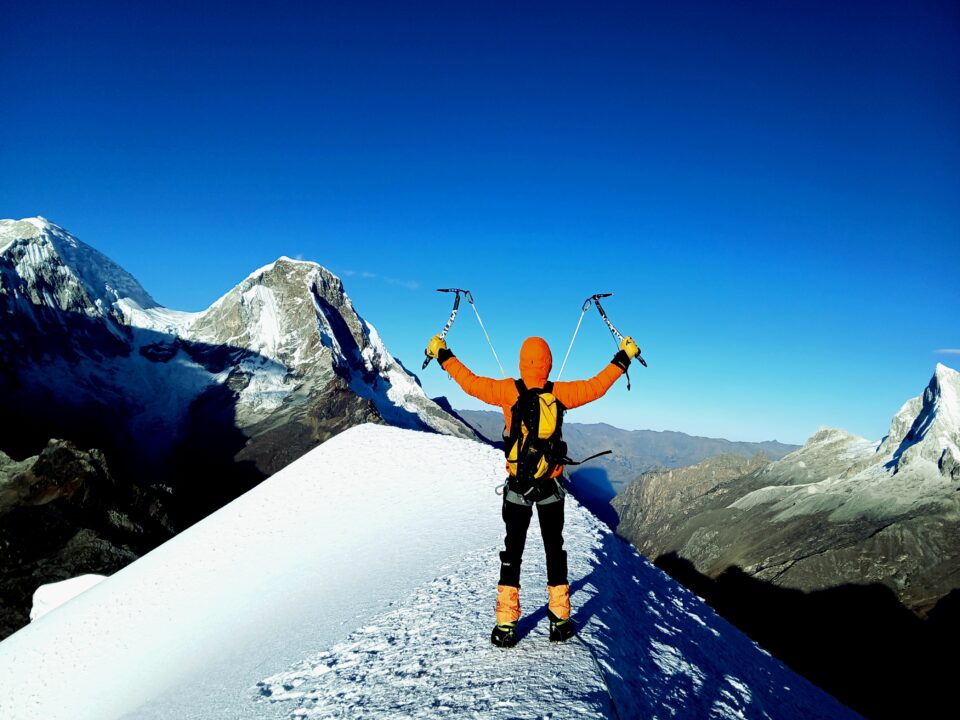
Since the year 2000. We have now been walking together for twenty-six years, through the Serra de Tramuntana, the Pyrenees, Patagonia, the Himalayas, Madeira, the Azores, Réunion
And now the Peruvian Andes. It has been a shared journey alongside Sa Tenda Mountain & City Wear, which has always been much more than a shop. It has provided advice, trust and friendship.
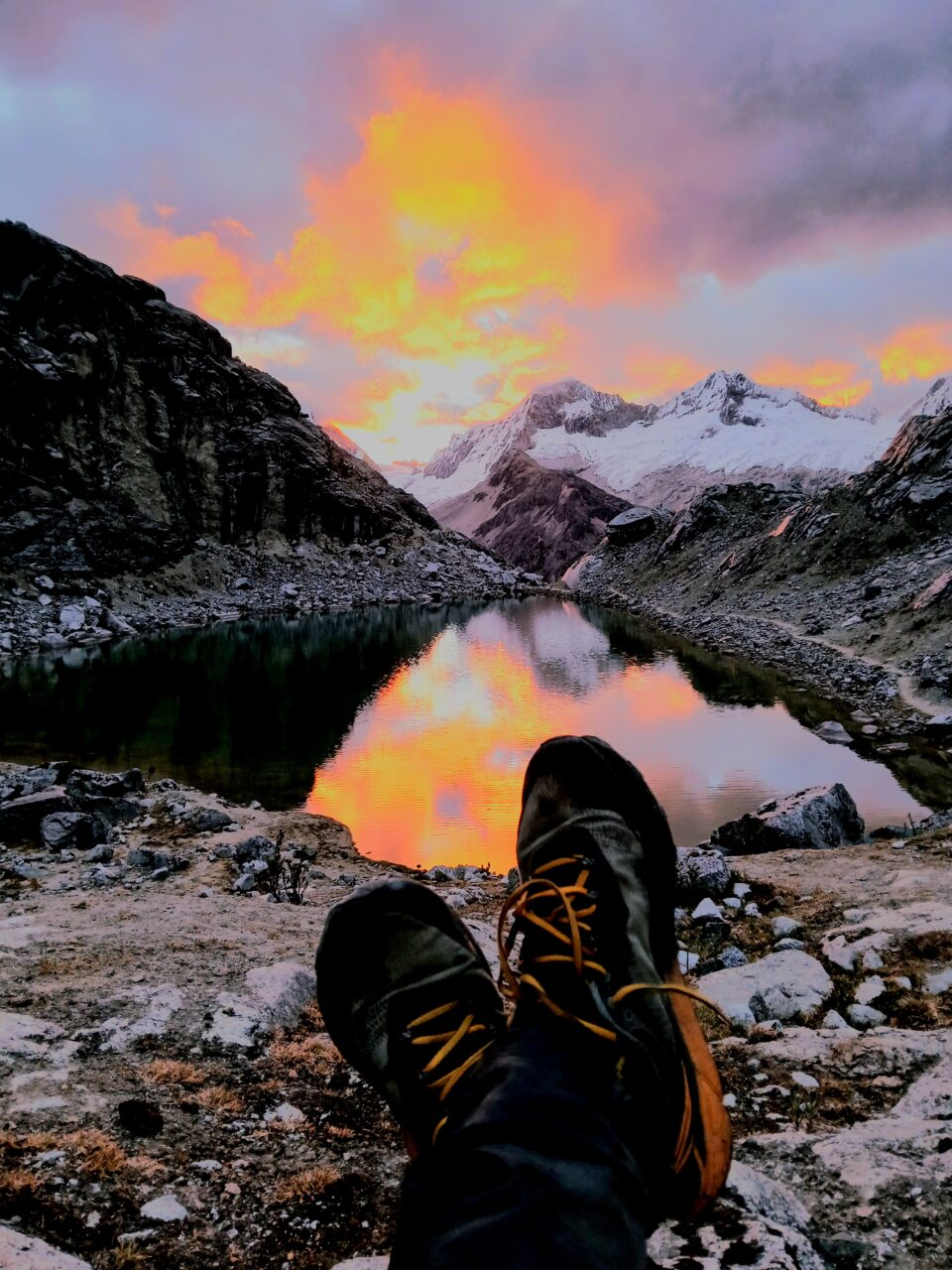
For the long approaches, I chose the Bestard Guepard without a Gore-Tex membrane, prioritising breathability during long and demanding days. I paired them with waterproof socks, an excellent recommendation from Sa Tenda. During the days of heavy rain, they kept my feet dry and comfortable. It is a small detail that, in the mountains, can often make the difference between enjoying the journey and enduring it.
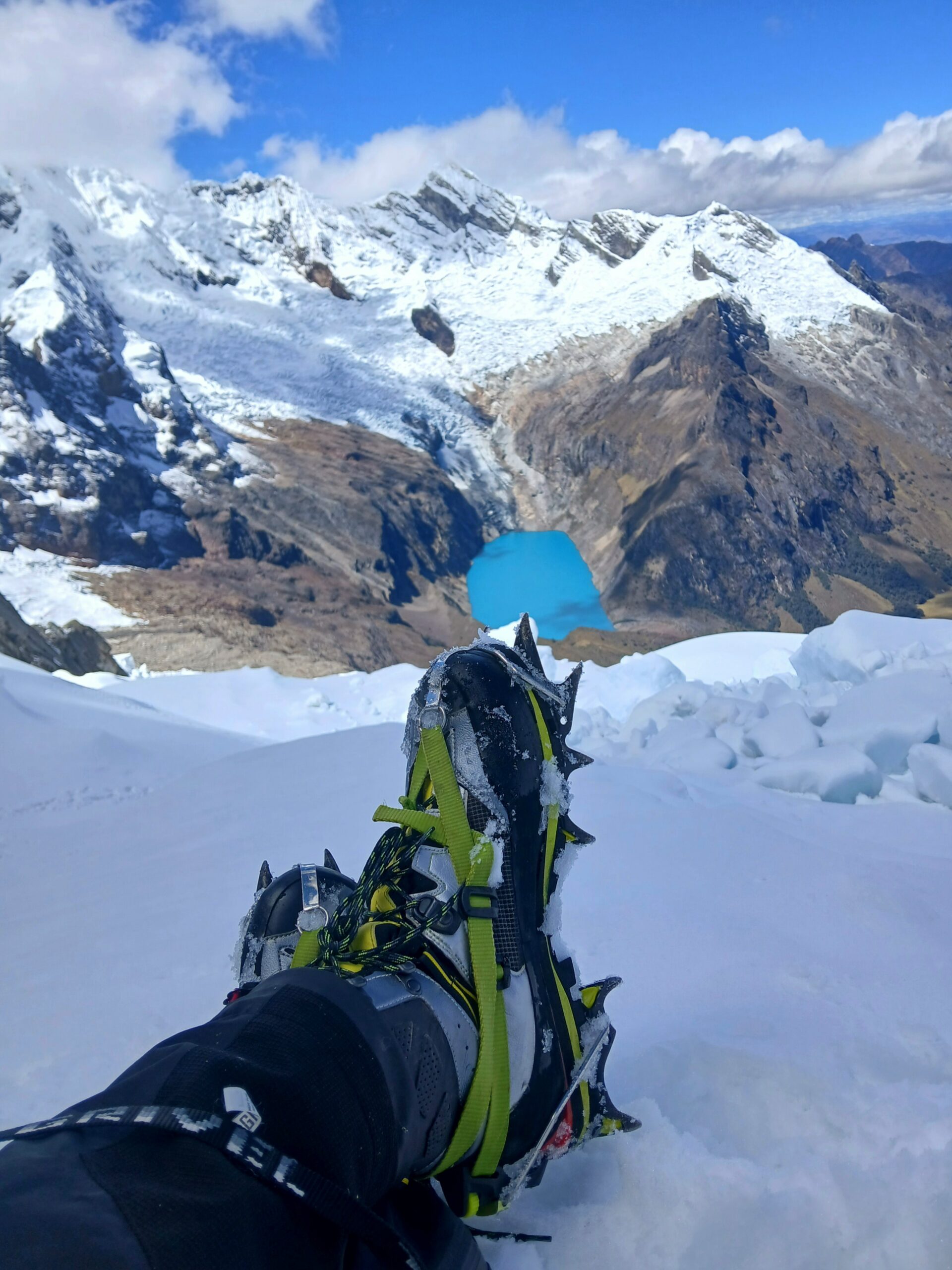
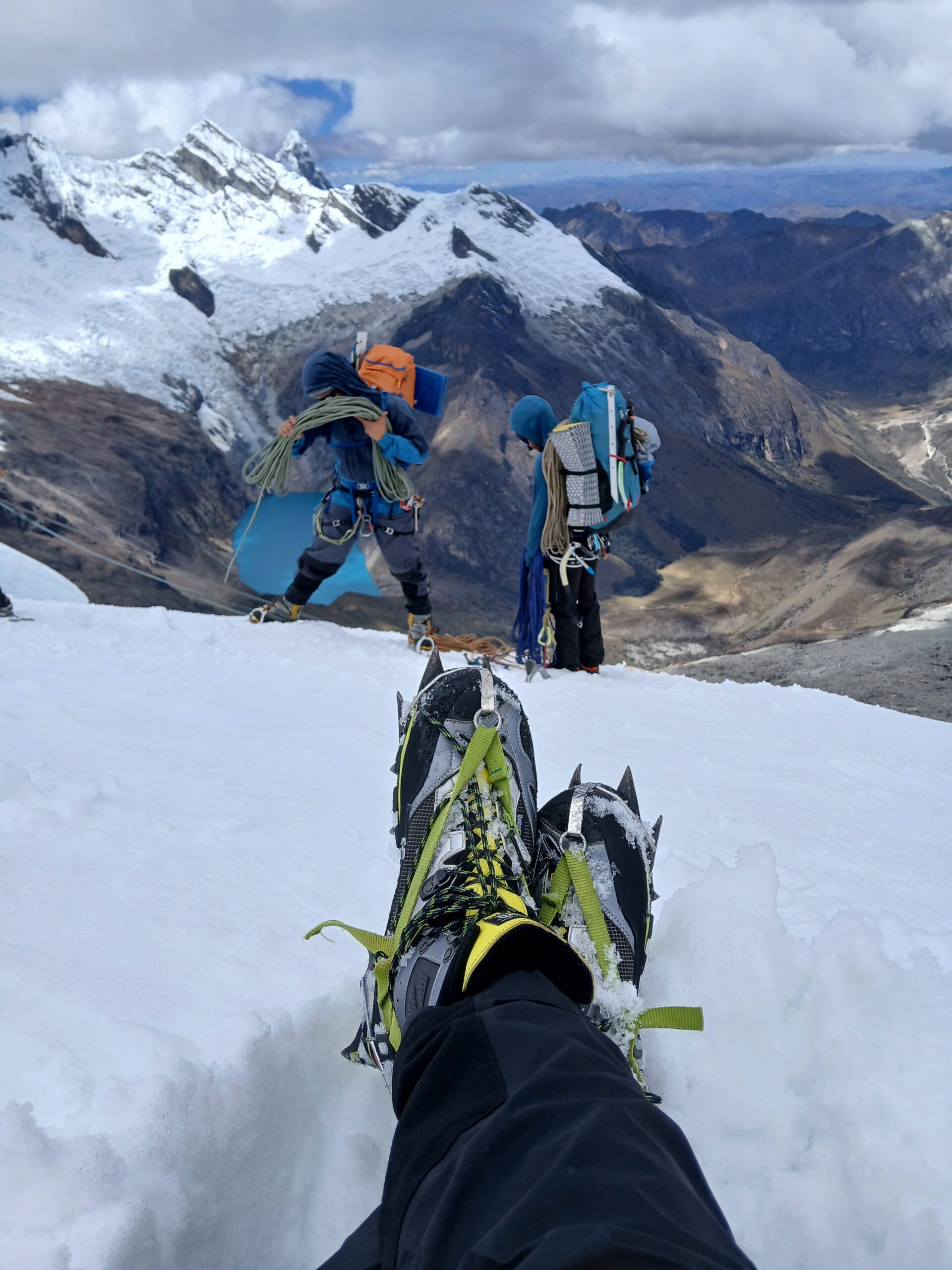
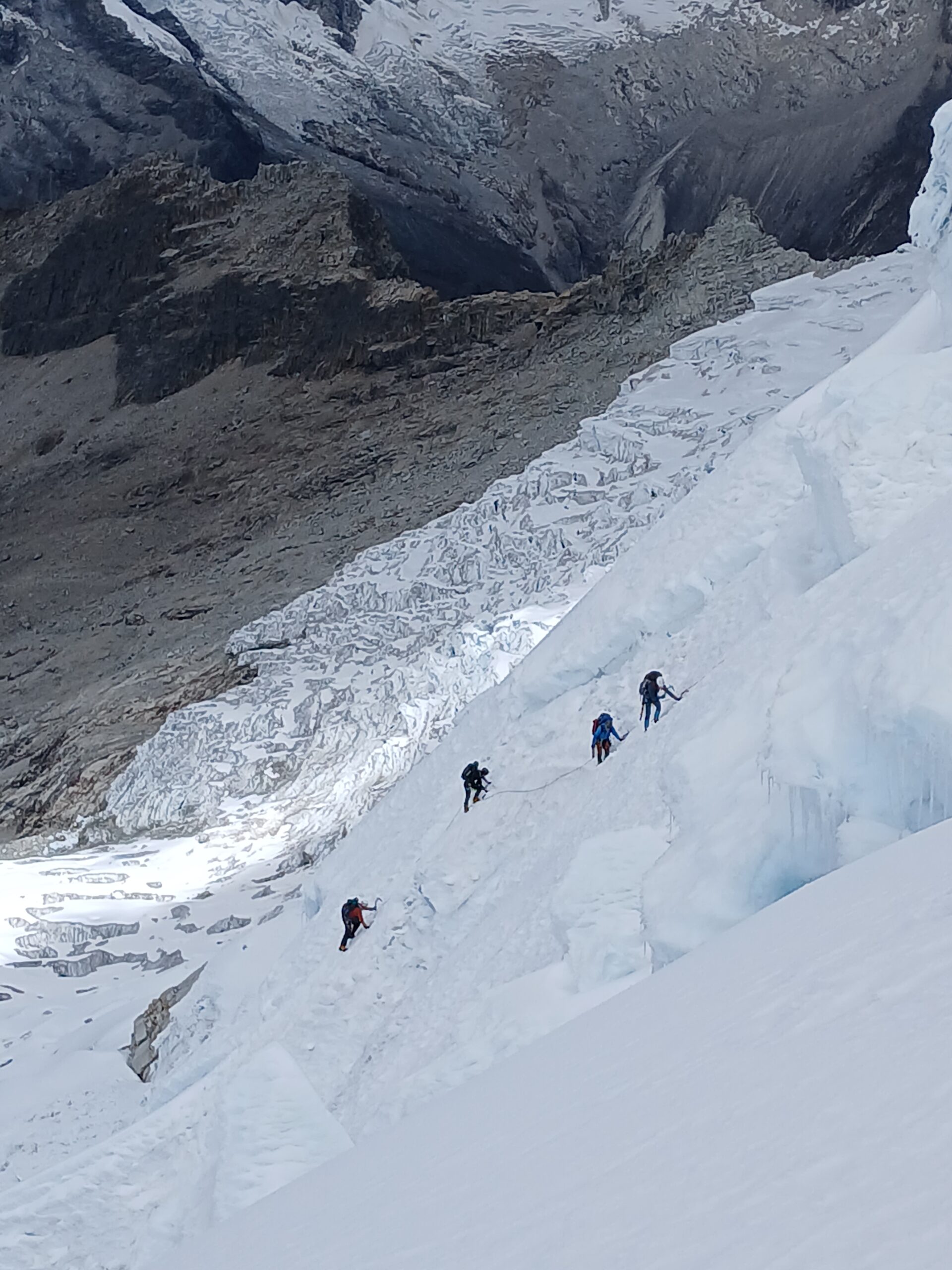
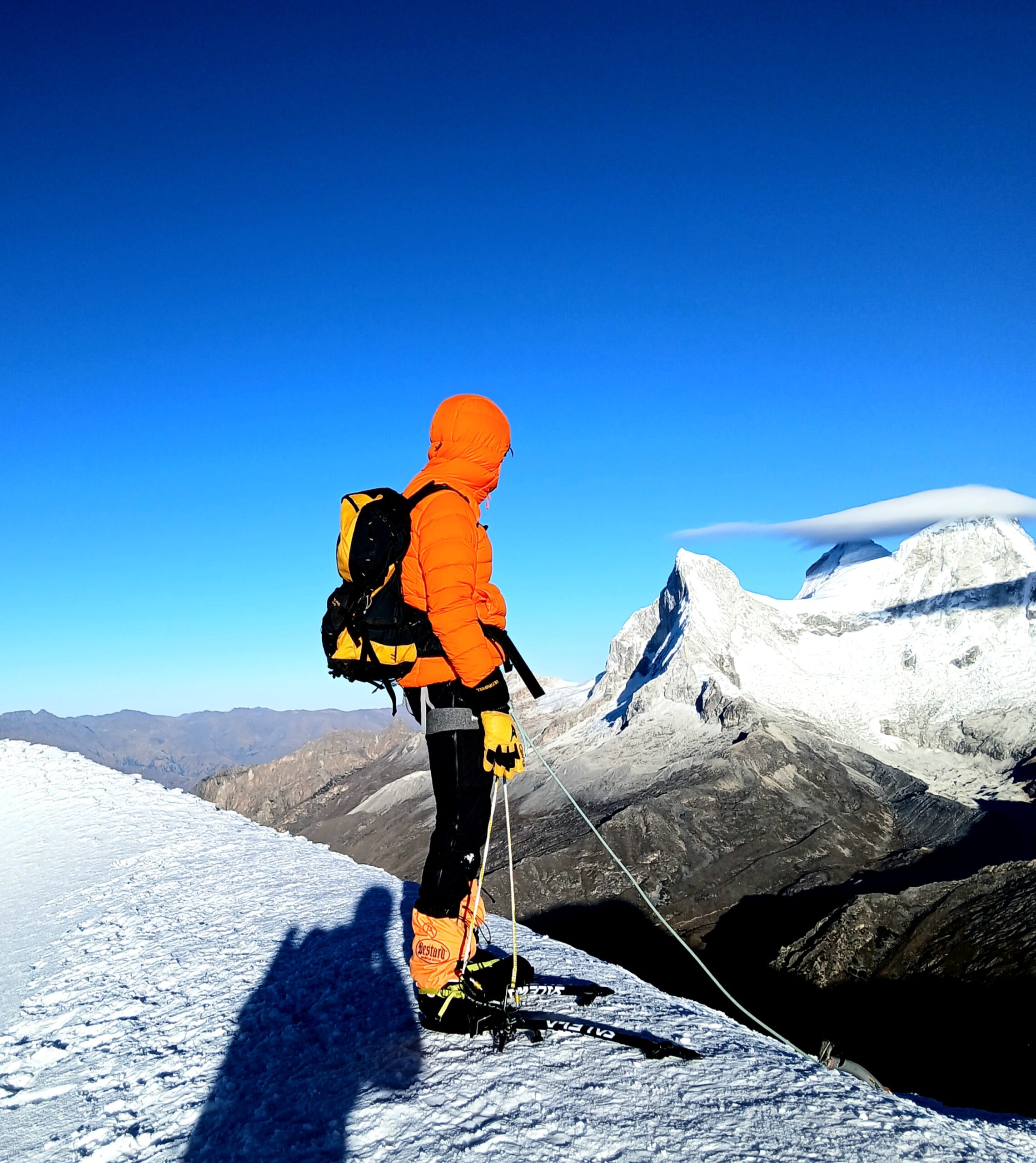
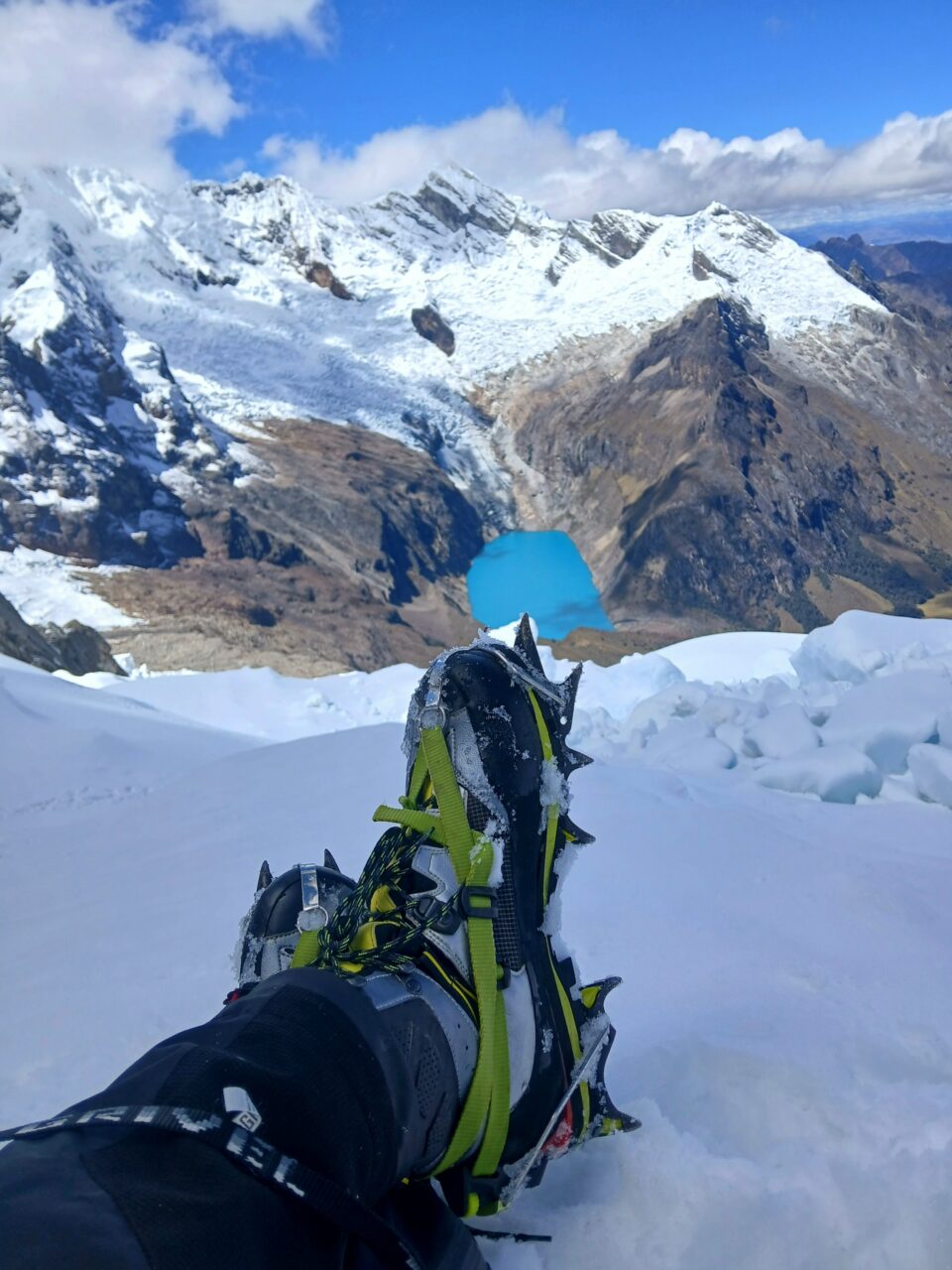
For the more technical ascents of both Yanapaccha and Alpamayo, I followed the recommendations of Bestard’s technical team and, in particular, those of a true master of mountaineering, Tomeu Rubí. Everyone agreed on the same model: the Climbing Guide FF, a rigid high-altitude boot designed with cutting-edge materials to provide precision, speed and safety on technical terrain.
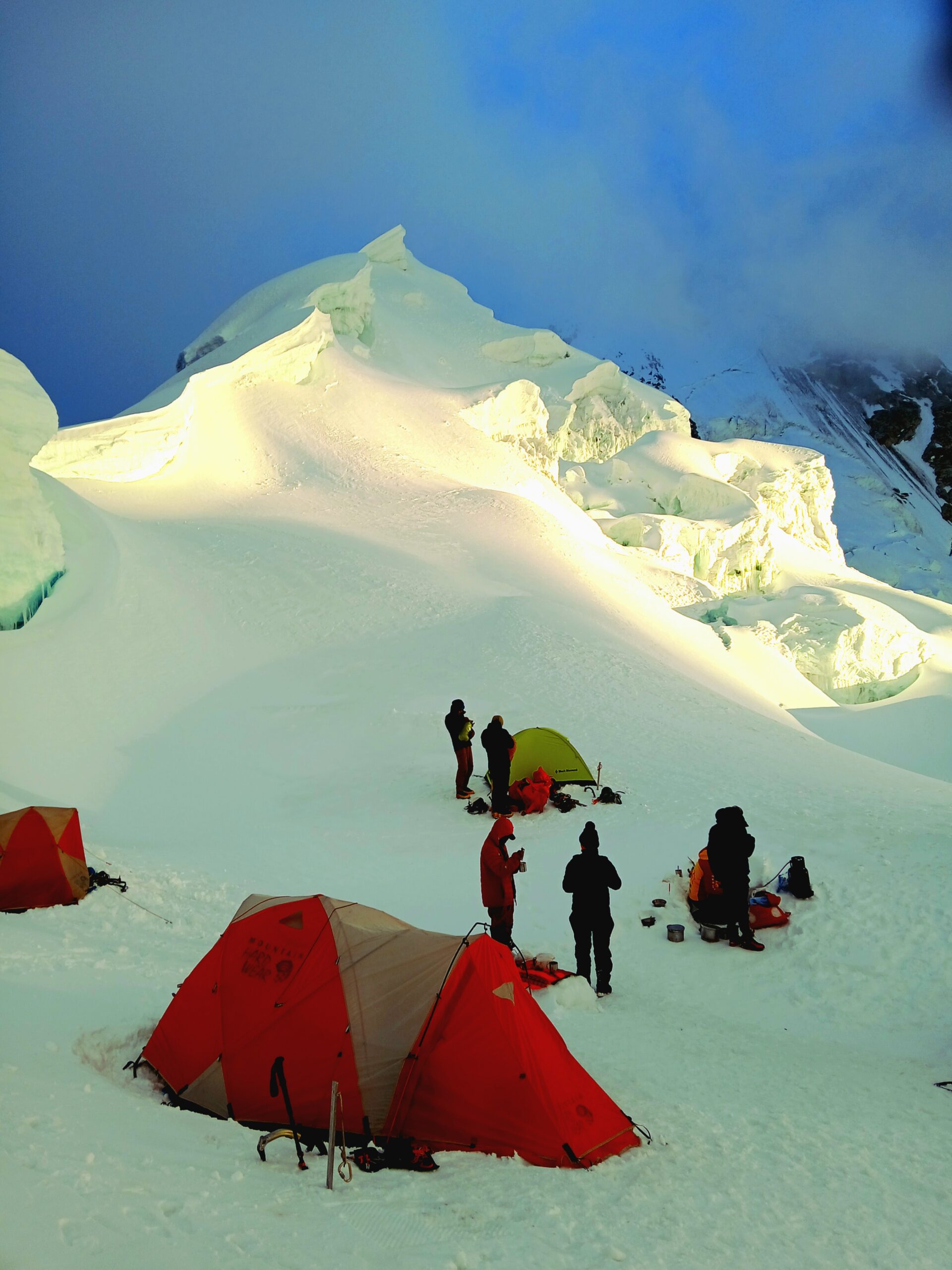
My main concern was something else: the extreme temperatures above 5,500 metres, particularly during the long summit night. That concern was resolved thanks to a pair of Cordura gaiters that Bestard made years ago, almost by hand, for a small group of mountaineers. Even today, they continue to prove their effectiveness.
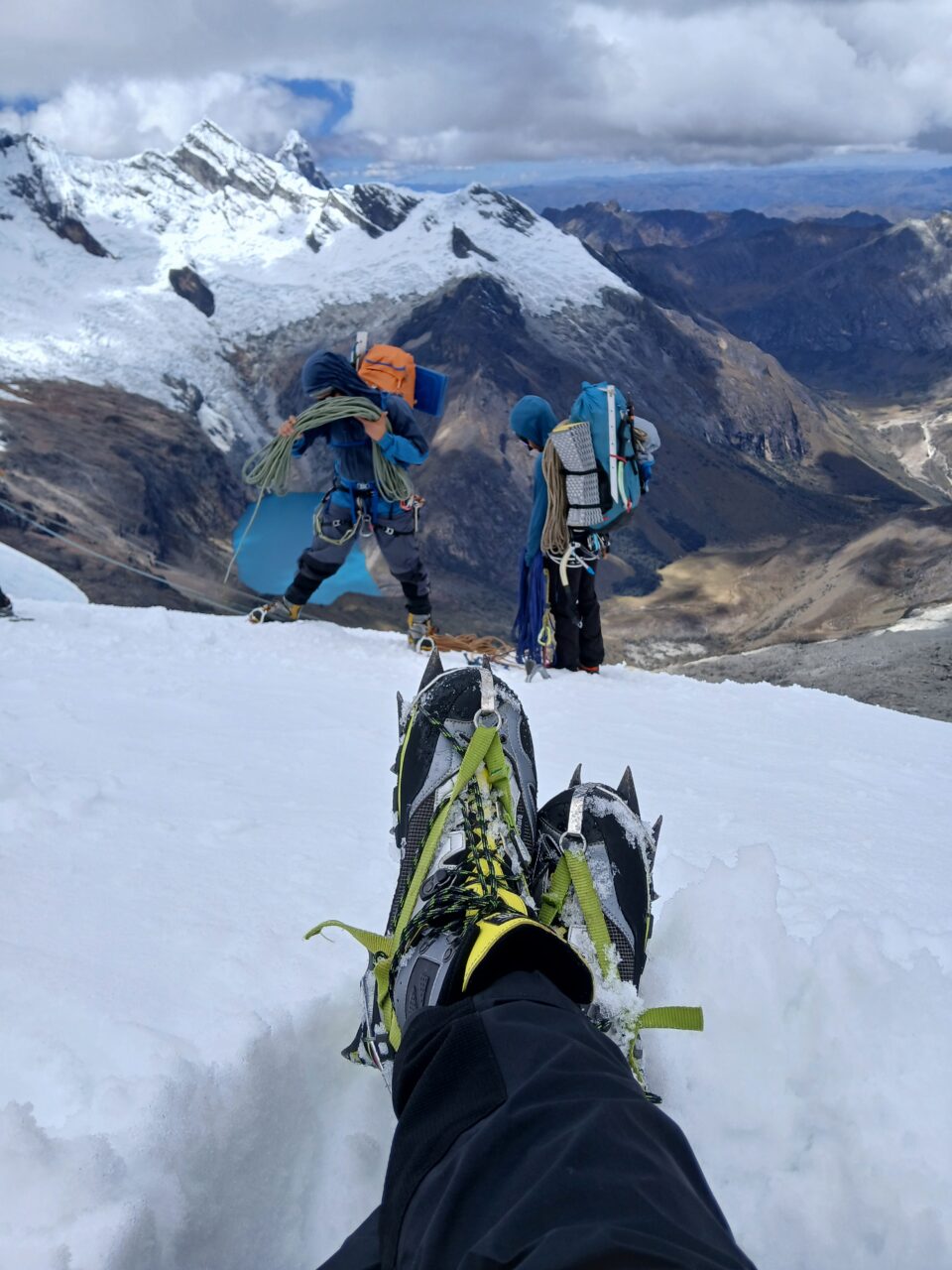
Allow me to pay a small tribute here to Tolo Calafat Marcus. These gaiters are far more than a piece of equipment. They are a small part of the history of Mallorcan mountaineering.
Whenever I put them on, I inevitably remember that before us there were people like Tolito, who led the way and showed that dreams are not determined by where you come from, but by how far you are willing to walk in pursuit of them. For an entire generation of Mallorcan mountaineers, he was far more than an elite climber. He was the role model who showed us that even from an island surrounded by sea, it was possible to dream of the great six, seven and eight-thousand-metre peaks of the world. Through his humility, his inexhaustible passion and an approach to the mountains founded on commitment, effort and respect, he inspired many of us who continue to seek new horizons today. These gaiters, which he also helped put to the test on his expeditions, are a small, tangible reminder of an immense legacy. That legacy lives on every time we lace up our boots and set out on a new adventure.
The Climbing Guide FF boots impressed me from the very beginning. Their lightness, comfort and ease of use with crampons make them an extraordinary tool for this kind of mountaineering. However, it is on mixed and rocky terrain, once the crampons come off, that they truly reveal their full potential. Compared with today’s double boots, which are widely used in fast and light mountaineering, they offer a level of agility and sensitivity that translates into more natural and efficient climbing.
Conclusions
As with all technical equipment, it is important to understand the terrain for which it is designed. The Climbing Guide FF stands out for its lightness, precision and comfort, but it must also be assessed in relation to the extreme temperatures that may be encountered during a summit night.
My conclusion fully agrees with that of Bestard’s technical team and Tomeu Rubí. These are exceptional boots for fast, direct ascents lasting less than twenty-four hours at altitudes between 5,000 and 6,000 metres.
In a particularly memorable moment from the trip, we met the Pou brothers on our return from Alpamayo Base Camp. Mallorcans by adoption, they know the quality of Bestard equipment very well. When they heard that we had come from the factory, they asked me to pass on a warm embrace to the entire Bestard family. It was one of those small moments that reminds you just how much the mountaineering world is one big family.
But if I am honest, this story was never only about Alpamayo, the metres of altitude or the boots that accompanied me. It is about the people who have walked beside you over the years, back when all you had was a dream.
Because sooner or later, every summit must be descended. What truly endures are the values, the trust and the bonds you build along the way. And that is probably the mountain in its purest essence.
Huaraz, Peru, July 2026